
Nautilocalyx ecuadoranus
Nautilocalyx ecuadoranus
Description
Growing requirements
Nautilocalyx ecuadoranus is a unique perennial species belonging to the Gesneriaceae family. Originating from the humid and shaded rainforests of Ecuador, this plant thrives in ecological niches where consistent moisture and stable, warm temperatures are prevalent throughout the year.
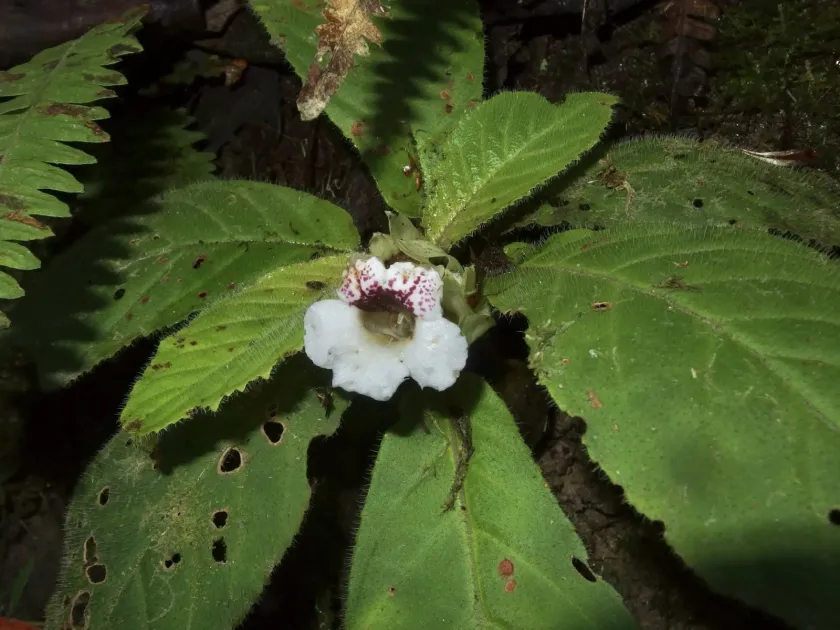
Botanically, it is characterized by succulent, often pubescent stems and thick, decorative foliage that displays distinct venation and coloration. Its growth habit is primarily terrestrial, and it occupies the understory layer, adapting to low-light conditions by maximizing the surface area of its leaves.
Cultivation requirements for this species focus on maintaining a high-humidity environment, typically exceeding 60-70%. Temperatures should be kept between 20°C and 25°C to avoid metabolic stress. Exposure to direct sunlight is generally detrimental, as the plant is adapted to the filtered light of the forest canopy.
The substrate must be well-draining, highly porous, and rich in organic matter. A mixture consisting of peat moss, perlite, and pine bark is ideal for maintaining the structure of the root system. Proper aeration is critical, as heavy or compacted soils will quickly lead to root hypoxia.
Watering practices should prioritize consistency rather than saturation. The soil should be kept uniformly moist to the touch, and irrigation should be performed using filtered or rainwater to avoid the accumulation of mineral salts, which can cause leaf edge necrosis in sensitive Gesneriads.
Main diseases and pests
Common pests include spider mites (Tetranychidae), which thrive in environments where air circulation is poor and humidity levels fluctuate significantly. Mealybugs also pose a threat by colonizing the leaf axils and stems, weakening the plant by extracting essential nutrients.
Pathogenic threats primarily involve fungal issues such as Phytophthora and Pythium, which are responsible for root rot under conditions of excessive moisture and poor drainage. Maintaining a sterile growing environment and practicing good hygiene are essential components of the plant's management strategy.