
Nautilocalyx pemphidius
Nautilocalyx pemphidius
Description
Growing requirements
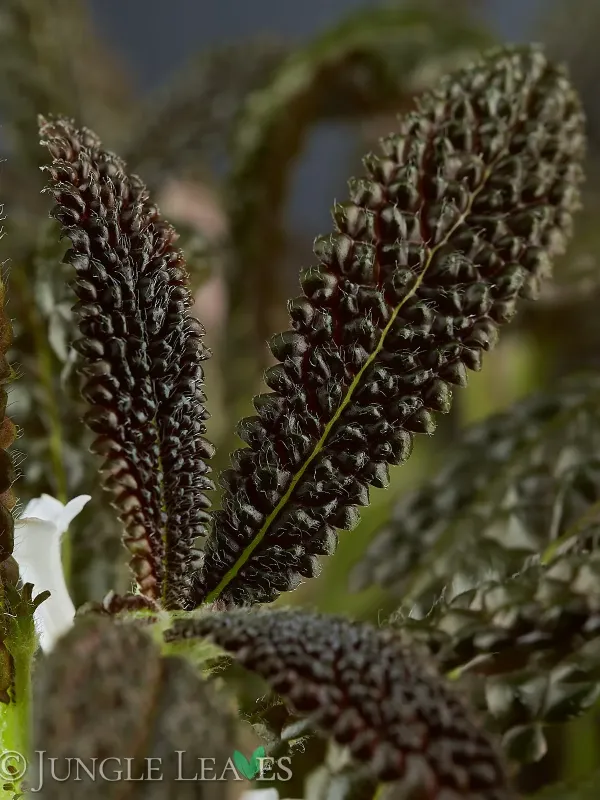
Nautilocalyx pemphidius is a distinct and highly sought-after plant species belonging to the Gesneriaceae family. Originating from the dense, humid rainforests of South America, it is prized by enthusiasts for its unique, deeply rugose and bullate leaves.
This species typically features a compact growth habit, making it an ideal choice for terrarium culture or specialized indoor plant collections where humidity levels can be strictly controlled and maintained.
To thrive, Nautilocalyx pemphidius requires bright but strictly indirect light. Direct exposure to the sun will cause scorching on the leaves, which are sensitive to high light intensity and thermal stress.
The substrate must be well-aerated, moisture-retentive, and rich in organic matter. A mixture consisting of peat, orchid bark, and sphagnum moss is often recommended to ensure proper root health and prevent compaction.
Maintaining high ambient humidity, ideally above 70%, is essential for the healthy development of this plant. It is highly recommended to grow it in glass containers or greenhouses to avoid the rapid transpiration that occurs in standard household conditions.
Main diseases and pests
Fungal pathogens are the most significant threat to the survival of this species, particularly those causing crown rot or stem decay. These issues are almost exclusively linked to overwatering and inadequate ventilation.
Spider mites represent the most common pest problem for this plant. Their presence is usually signaled by fine webbing and a mottled appearance on the leaves, which occurs if the environment is too dry.
Mealybugs can also infest the plant, hiding in the leaf axils. Their presence weakens the plant by extracting sap and can lead to secondary infections if left untreated for an extended period.
Control strategies should prioritize non-toxic methods. Using systemic insecticides on such a sensitive plant should be done with caution to avoid damaging the delicate leaf texture.
Regular maintenance of air circulation and cleaning of the leaves are vital preventive steps. Ensuring that water does not pool in the center of the leaf rosette is a simple but effective way to prevent rot.