
Lysionotus serratus
Lysionotus serratus
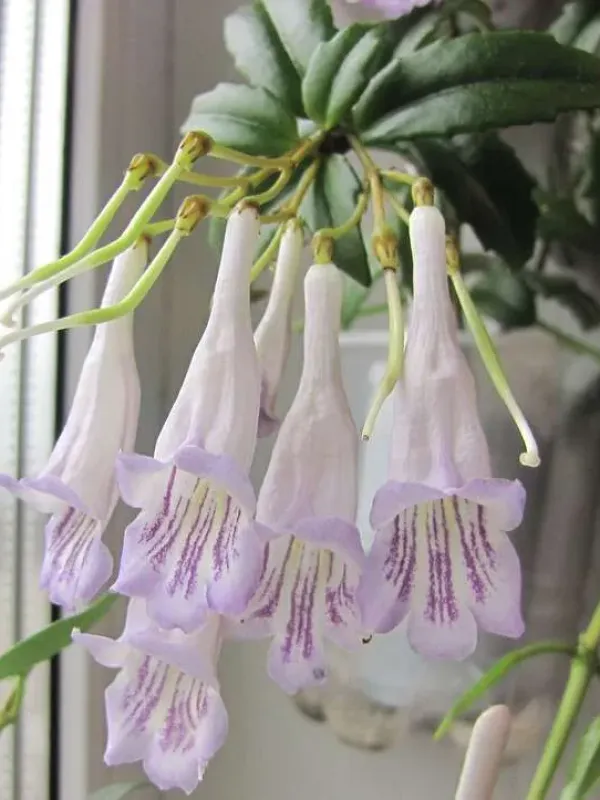
Description
Growing requirements
Lysionotus serratus is a perennial subshrub belonging to the Gesneriaceae family. Native to the Himalayan regions and Southeast Asia, this species typically inhabits humid forest ecosystems. In its natural habitat, it demonstrates both epiphytic and lithophytic growth habits, thriving on mossy tree trunks and rocky crevices.
The cultivation of Lysionotus serratus requires strict adherence to tropical environmental conditions. It thrives best in a temperature range of 18°C to 24°C and requires high ambient humidity. Exposure to direct sunlight should be avoided to prevent foliar damage, as the plant prefers bright, filtered light typical of the understory layer.
The substrate must provide excellent aeration and moisture retention. A mix consisting of peat, leaf mold, and perlite or pine bark is recommended to mimic the natural debris accumulation found in its native cliffs and trees. Proper drainage is essential to prevent anaerobic conditions in the root zone, which the plant is highly sensitive to.
Standard horticultural practices include maintaining consistent soil moisture levels using soft, room-temperature water. During the growing season, a balanced, dilute liquid fertilizer should be applied periodically to support flowering. Over-fertilization can lead to root burn, so caution is advised when calculating dosage ratios.
The economic value of this plant lies primarily in the hobbyist and botanical conservatory trade. It is highly sought after for its attractive serrated foliage and distinct tubular, bell-shaped flowers. Its ability to grow in specialized indoor setups makes it a prized specimen for collectors of rare and exotic gesneriads.
Main diseases and pests
The primary pests affecting this plant are spider mites, especially in environments where humidity levels fluctuate. Regular misting and proper airflow are the most effective preventive measures, although insecticidal soaps can be used to treat early infestations if necessary.
Root rot and fungal leaf spots are common issues resulting from improper watering techniques or poor ventilation. To mitigate these risks, growers should ensure that the potting medium remains damp but never waterlogged. Fungicidal treatments should be employed promptly if symptoms of decay appear on the stems or root system.