
Nautilocalyx melittifolius
Nautilocalyx melittifolius
Description
Growing requirements
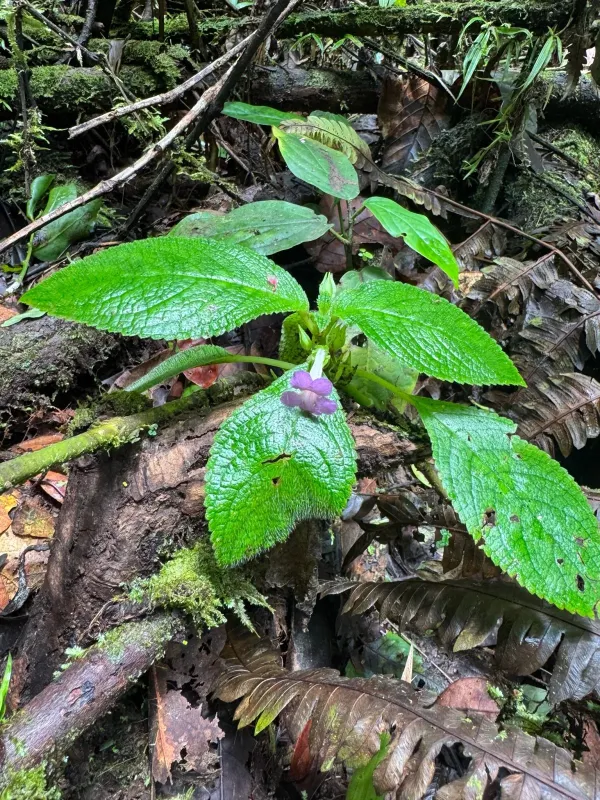
Nautilocalyx melittifolius is a perennial herbaceous plant belonging to the Gesneriaceae family. Native to the tropical rainforests of the Lesser Antilles, it is highly prized for its lush, textured foliage and distinct botanical structure that resembles mint leaves.
The plant thrives in environments with high ambient humidity, ideally above 65 percent. Constant moisture in the air is essential for preventing the edges of the foliage from browning and maintaining the plant's overall turgor pressure.
Temperature requirements are consistent throughout the year, with an ideal range of 21 to 26 degrees Celsius. Exposure to cold drafts or temperatures dropping below 18 degrees Celsius should be strictly avoided to prevent physiological shock.
Proper soil composition involves a mix that is rich in organic matter but extremely well-draining. A combination of peat moss, sphagnum, and perlite ensures that the root system has access to both moisture and the necessary levels of oxygen.
Lighting should be bright but filtered. Direct sunlight is harmful to the velvety leaves, causing scorched patches. Positioning the plant in a spot that receives ambient light throughout the day will encourage healthy, vibrant leaf growth.
Main diseases and pests
Spider mites are the most common pest associated with Nautilocalyx. They thrive in dry indoor conditions and can rapidly multiply on the undersides of leaves, causing significant damage if not identified and treated early.
Root rot represents a major threat, typically resulting from poor drainage or overwatering. Once the root system is compromised, the plant struggles to uptake nutrients, leading to yellowing of the leaves and eventual plant collapse.
Mealybugs can also infest the plant, hiding in the leaf axils. Regular monitoring and physical removal of these pests with a cotton swab dipped in alcohol are effective measures for small infestations in home collections.
To prevent fungal diseases, maintain good airflow around the plant. Stagnant air combined with high humidity often leads to Botrytis or gray mold, which can quickly spread across the leaf surfaces.
If chemical intervention becomes necessary, use gentle horticultural soaps or systemic pesticides suitable for indoor use. Always isolate the affected plant from other specimens until it has fully recovered from the infestation.