
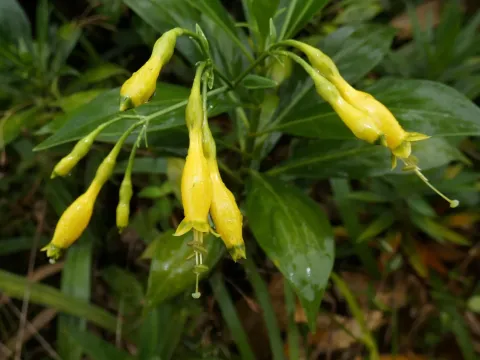
Lisianthus
Lisianthius
Lisianthus seeds are extremely small and require specific conditions for successful germination, usually starting in mid-winter to ensure early summer blooms.
What the section contains


Lisianthus
The seeds must be surface-sown on a sterile, fine-textured substrate, as they need light and consistent surface moisture to break dormancy.
Maintaining a temperature of 20–24 degrees Celsius is critical during the initial germination phase, which typically takes about 10 to 14 days.
Once seedlings develop true leaves, they should be transplanted into individual cells to encourage strong root development before being moved to their final location.
Consistency is key during the seedling stage; avoid heavy watering that could wash the tiny seeds away or cause damping-off disease.
Lisianthus, belonging to the Gentianaceae family, thrives in well-drained, fertile soils with a neutral to slightly acidic pH level for optimal nutrient uptake.
The crop requires high light intensity; in northern latitudes, supplemental lighting is necessary to prevent weak, spindly stem growth during the winter months.
Temperature management is crucial: day temperatures should hover around 22–25 degrees, while slightly cooler night temperatures support better stem elongation.
Air circulation within the greenhouse environment is essential to reduce humidity levels and prevent the onset of fungal pathogens that attack foliage.
Watering should be managed carefully; the root system is sensitive to waterlogging, making drip irrigation an ideal choice for large-scale production.
High-quality yield depends on selecting professional-grade hybrid varieties that provide uniform height, strong stems, and long vase life for commercial sale.
Spacing plants at 40 to 60 units per square meter allows for adequate airflow and optimizes the space utilization in a controlled greenhouse setup.
Strategic fertilization during the vegetative and floral initiation stages ensures robust stems capable of supporting large, heavy blooms without bending.
Effective pruning of the terminal bud in early growth stages can help synchronize flowering and increase the number of stems per plant in specific varieties.
Proper environmental monitoring and the use of carbon dioxide enrichment can significantly boost the overall biomass and floral output of the crop.
Botrytis, powdery mildew, and Fusarium wilt are the most common fungal diseases that can devastate a Lisianthus crop if humidity remains unmanaged.
Thrips are the primary insect pests, often acting as vectors for viruses that cause stunted growth and misshapen flowers, making early detection vital.
Fungus gnats and shore flies can also damage root systems in the early plug stage, requiring proactive scouting and the use of biological controls.
Integrated Pest Management (IPM) practices, including the use of beneficial insects, are highly recommended to keep pest populations below economic thresholds.
- Best Practices: Maintain strict greenhouse hygiene, use clean water sources, and implement preventative fungicide programs during high-risk seasons.
The optimal harvest time is when two or more flowers are open, while the remaining buds on the stem have begun to show their true color.
Stems should be harvested using sterilized cutting tools to prevent the transmission of pathogens between plants during the harvesting process.
Immediate post-harvest cooling is essential to remove field heat and stabilize the flowers before they are graded, bunched, and sleeved for transport.
Avoid touching the petals during the harvest and packaging process to minimize the risk of bruising, which can negatively affect the market grade.
Lisianthus has an excellent vase life if stored correctly at 2–5 degrees Celsius and kept away from ethylene-producing fruits or other vegetation.