
Halenia corniculata
Halenia corniculata
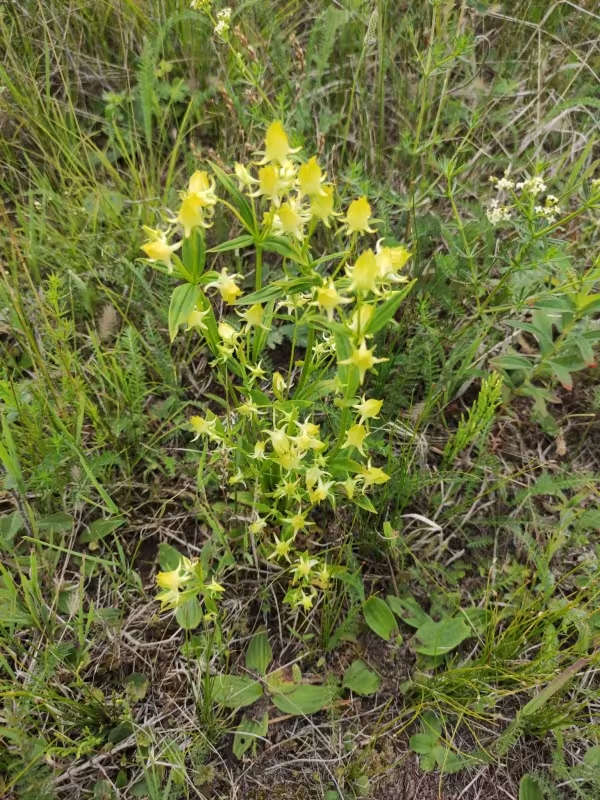
Description
Sowing dates
Sowing should be performed in early spring as soon as the soil reaches workable temperatures. Given the microscopic size of the seeds, they are usually sown on the surface and pressed slightly into the soil, ensuring that they are not buried too deeply to maintain optimal germination rates.
Growing requirements
Halenia corniculata, commonly known as spurred gentian, is a member of the Gentianaceae family. This annual herb is native to temperate zones of Eurasia, typically inhabiting moist meadows and riparian environments where soil humidity remains constant throughout the growing season.
Botanically, the plant is characterized by its distinctively spurred flowers and opposite foliage. It grows as a slender herb, with its development cycle closely tied to seasonal moisture levels. The plant's structure is optimized for efficient seed dispersal in meadow ecosystems.
The crop thrives in nutrient-rich, moist soils with a slightly acidic to neutral pH. It requires consistent irrigation or high natural moisture levels to prevent physiological stress, as the shallow root system is highly susceptible to dehydration under arid conditions.
Climate requirements for this culture are centered on moderate temperature regimes. It is not suitable for high-heat environments, as elevated temperatures combined with low humidity significantly decrease the biomass accumulation and secondary metabolite production.
In terms of agricultural and economic use, Halenia corniculata is primarily valued for its potential in medicinal applications. Research into its chemical composition suggests that it contains specific compounds beneficial for traditional medicine, making it a niche crop for specialized herb production.
Main diseases and pests
The primary threats include fungal diseases such as root rot, which occurs in waterlogged or overly dense soils. Common pests for this species involve mollusks like slugs and snails, which can cause significant damage to the soft, succulent seedlings during the early stages of growth.