
Halenia elliptica
Halenia elliptica
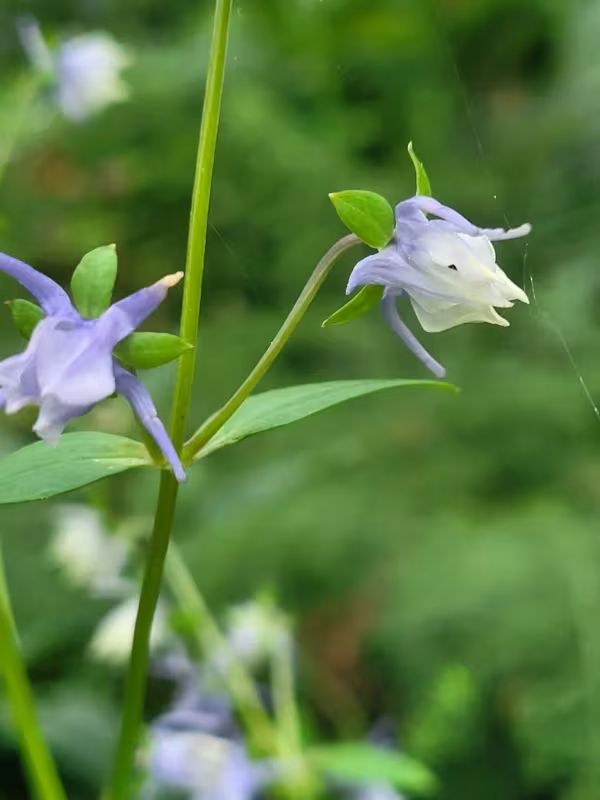
Description
Growing requirements
Halenia elliptica is a distinctive medicinal plant belonging to the Gentianaceae family. Native to the alpine regions of Asia, including the Himalayas and the Tibetan Plateau, it has evolved to thrive in high-altitude environments characterized by cold climates and intense solar radiation.
This species requires specific environmental conditions for successful growth. It prefers well-drained, nutrient-rich soil with a slightly acidic to neutral pH. High soil moisture is essential, but the substrate must allow for excellent drainage to prevent root rot and other fungal diseases.
Botanically, the plant is characterized by its opposite, elliptical leaves and unique spurred flowers. These spurs are the defining feature of the Halenia genus and play a significant role in its classification within the Gentianaceae family.
In terms of agricultural management, maintaining consistent moisture levels and providing partial shade in warmer climates can help simulate its natural habitat. It is highly sensitive to extreme heat, which can inhibit its development and the production of therapeutic secondary metabolites.
Research into this plant is driven by its extensive use in traditional Tibetan and Chinese medicine. Its potential as a pharmaceutical raw material makes it a subject of interest for both ethnobotanical studies and modern agronomic research.
Harvesting
Harvesting Halenia elliptica requires careful timing to ensure the highest concentration of active compounds, such as xanthones and various flavonoids. The ideal window for collection is during the peak flowering stage when the chemical potency is at its maximum.
The harvest process typically involves cutting the aerial parts of the plant. Precision is key to avoiding damage to the roots, especially in wild populations where sustainable harvesting practices are strictly enforced to ensure future regrowth.
Once harvested, the plant material must be processed promptly. Excessive moisture and heat must be avoided during transport to prevent microbial degradation and the rapid fermentation of plant tissues, which would degrade the quality of the raw material.
Drying is a critical step in the post-harvest chain. The material should be spread in thin layers in a shaded, well-ventilated area or in temperature-controlled dehydrators kept below 45 degrees Celsius to protect heat-sensitive medicinal components.
Proper storage is the final phase of production. The dried herb should be packed in moisture-proof, light-resistant containers. Stable storage conditions are essential for maintaining the medicinal efficacy of the product during transport and long-term storage.