
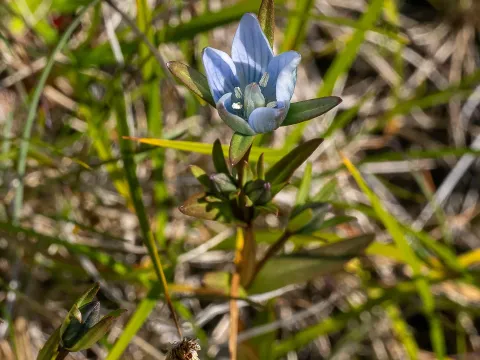
Lomatogonium
Lomatogonium
Lomatogonium is a genus of herbaceous plants belonging to the Gentianaceae family. These plants are typically native to temperate and arctic regions, where they thrive in alpine meadows and damp, open environments.
What the section contains


Lomatogonium
Botanically, they are recognized by their distinct, often star-shaped flowers and basal leaf rosettes. They are generally considered cool-climate plants, preferring regions with high atmospheric humidity and moderate sunlight exposure.
Regarding soil requirements, Lomatogonium demands well-drained, nutrient-rich soil that retains moisture without becoming waterlogged. The pH should be slightly acidic to neutral to support optimal nutrient uptake.
The climate requirements include a preference for cool, crisp conditions. These plants are exceptionally frost-tolerant, which allows them to colonize areas that are unsuitable for many traditional agricultural crops.
Cultivation of this genus is challenging due to the specific germination needs of its seeds, which often require cold stratification. In controlled environments, they are mostly handled as specialized ornamental or research crops.
The primary threats to Lomatogonium include fungal infections, particularly root rot, which occurs in poorly drained soils. Excess moisture during warm spells can rapidly lead to the collapse of the plant structure.
Pests such as aphids and spider mites can infest the foliage, particularly if the plant is under environmental stress. Preventive monitoring is essential to maintain the health of the plant population.
Weed competition is a significant threat during the seedling stage. Given the relatively slow initial growth rate of Lomatogonium, mechanical weed control is critical to ensure the crop establishes itself successfully.
Changes in local microclimates, specifically excessive heat, can lead to early senescence. Maintaining a cool root zone through mulching or site selection is a key agricultural management practice.
Additionally, improper chemical application (excessive fertilizers or herbicides) can lead to toxicity, as members of the Gentian family are often sensitive to nitrogen surpluses and certain standard pesticide formulations.