
Cumulopuntia boliviana
Cumulopuntia boliviana
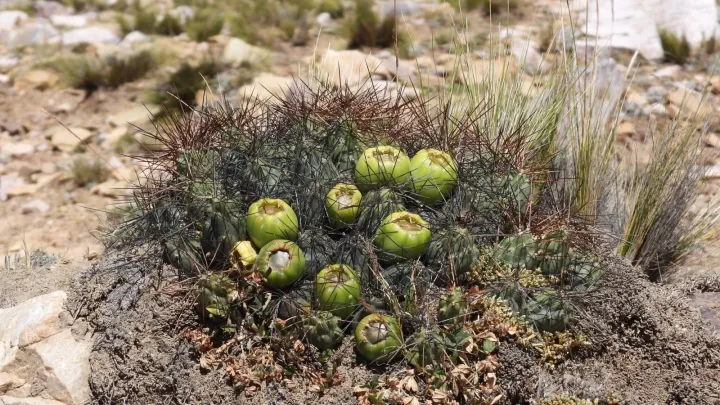
Description
Sowing dates
The propagation of Cumulopuntia boliviana in cultivation is typically achieved through seeds or by rooting stem segments. Seeds should be sown in the spring, maintaining temperatures above 20 degrees Celsius to stimulate successful germination.
A light, well-draining substrate consisting of coarse sand and loam is recommended for sowing. It is vital to maintain consistent but light moisture until seedlings emerge, after which watering should be significantly reduced to avoid rot.
Vegetative propagation involves detaching segments from the parent plant. The cut surface must be allowed to dry for several days until a callus forms; this critical step prevents infection during the planting phase.
Cuttings should be placed in dry sandy soil, with irrigation withheld until signs of root development appear. This approach is much more efficient than seed sowing for establishing mature, stable plants.
Young plants require a period of gradual acclimatization to direct sun to prevent epidermal burning. The ideal time to move them to their permanent location is after they have successfully overwintered once.
Growing requirements
Cumulopuntia boliviana belongs to the Cactaceae family, native to the high-altitude regions of Bolivia and Argentina. This plant is evolutionarily adapted to harsh environments and significant diurnal temperature fluctuations.
The species is extremely demanding regarding light exposure and requires as much direct sunlight as possible. Insufficient light leads to etiolation, causing the stems to stretch and the plant to lose its natural shape.
While the plant is not particular about soil nutrients, a high-quality drainage system is essential. Stagnant moisture in the root zone is lethal for this species and frequently results in fungal root rot.
During the active growth phase, watering should be moderate and performed only after the substrate has dried out completely. In winter, the plant enters a period of dormancy, requiring minimal to no water in cool conditions.
The plant is tolerant of the short-term cold snaps typical of mountain climates, but in domestic cultivation, it must be protected from high atmospheric humidity and frost while the substrate is damp.
Main diseases and pests
The primary threat to Cumulopuntia boliviana is root and stem rot caused by improper watering practices. Excess moisture in the soil is the leading cause of plant loss in collections.
Pests, such as mealybugs, can infest the plant by hiding within the deep areoles between segments. Systemic insecticides are recommended for effective control and protection of the plant tissues.
Spider mites can become problematic in dry, stagnant air conditions. Regular ventilation and maintaining a clean growing environment are effective preventive measures against mite infestations.
Mechanical damage to the epidermis can facilitate the entry of pathogenic fungi. All wounds or cuts should be treated with charcoal or fungicides to prevent the spread of necrosis.
Poor wintering conditions, characterized by low light and high humidity, lead to weak growth and increased susceptibility to various biological threats and diseases.