
Cumulopuntia rossiana
Cumulopuntia rossiana
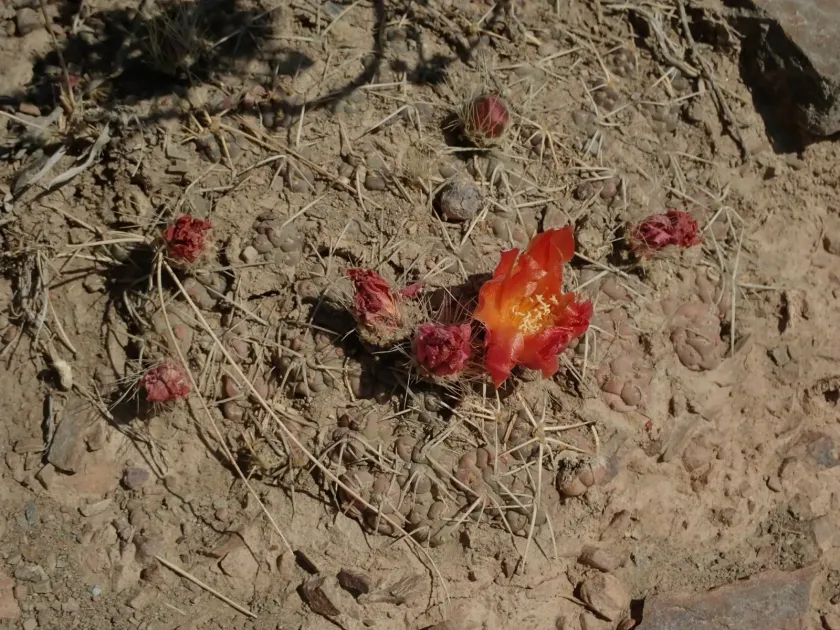
Description
Growing requirements
Cumulopuntia rossiana is a member of the Cactaceae family, native to the high-altitude regions of the Andes, primarily found in Bolivia. This species has evolved to thrive in harsh, alpine environments at elevations often exceeding 3,000 meters.
Botanically, the plant is characterized by its cushion-forming growth habit. It features segmented stems covered in defensive spines, which provide essential protection against the extreme ultraviolet radiation and cold winds typical of its natural habitat.
Successful cultivation requires a substrate that mimics its natural stony environment. A highly porous mineral mix is essential, consisting of pumice, coarse sand, and grit to ensure rapid drainage and prevent water accumulation around the roots.
Lighting requirements are high; the plant requires full, direct sun exposure to maintain its compact, healthy structure. Failure to provide sufficient light will lead to etiolation, where the stems stretch and lose their natural aesthetic form.
The watering regime must be strictly seasonal. During the growing season, water can be applied when the substrate is completely dry, but the plant must be kept bone-dry during the winter dormancy period to prevent rot and promote future blooming.
Main diseases and pests
The primary threat to the health of Cumulopuntia rossiana is root rot, which typically stems from overwatering or poorly aerated soil. This condition is often fatal if not caught in the early stages of infection.
Mealybugs are the most common pests encountered in cultivation. These insects settle in the crevices between segments, often creating white, cottony webs that are easy to spot if the plant is inspected regularly.
Spider mites represent a significant risk, particularly in environments with very low humidity and poor ventilation. They damage the epidermis, leaving unsightly scars that ruin the plant's natural texture.
Effective management involves the use of specialized insecticides and miticides. Applications should be performed carefully, ensuring the chemical reaches all hidden parts of the plant's segmented structure.
Preventative measures include maintaining excellent airflow in the greenhouse and ensuring that plants are spaced appropriately. Proper ventilation prevents the buildup of humidity, which is a major catalyst for both pest outbreaks and fungal development.