
Cumulopuntia zehnderi
Cumulopuntia zehnderi
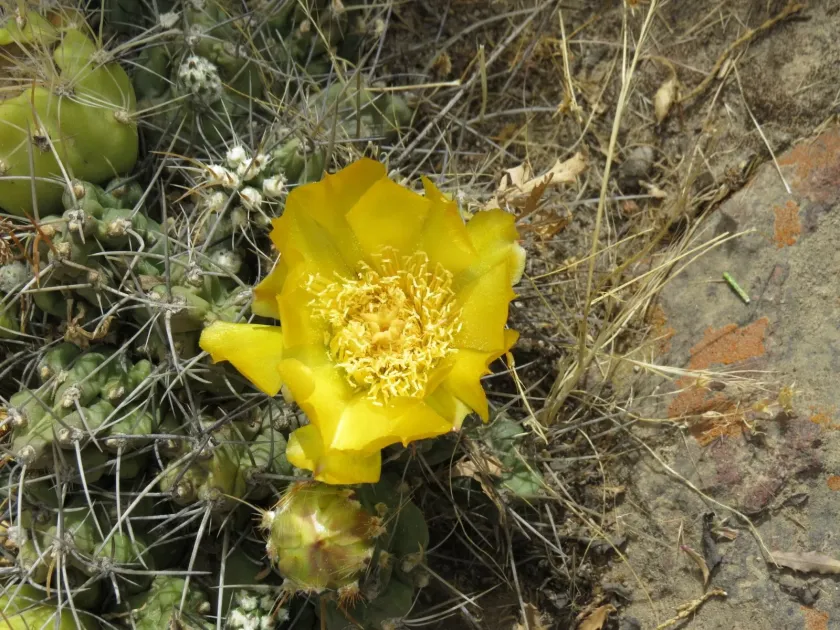
Description
Growing requirements
Cumulopuntia zehnderi is a distinctive species belonging to the Cactaceae family. Native to the high-altitude regions of the Andes in Peru, this plant is evolutionary adapted to harsh, resource-limited mountain environments.
The cultivation of this species requires a specialized, well-draining mineral substrate. A mixture consisting primarily of pumice, coarse sand, and a minimal amount of organic matter is ideal for ensuring proper root aeration.
Light requirements for this cactus are high. To maintain its natural, compact growth habit, the plant needs significant exposure to direct sunlight. Insufficient light levels will lead to etiolation, which weakens the plant's structure.
Regarding climate, the plant thrives when there is a significant difference between day and night temperatures. During the active growing season, regular but sparse watering is sufficient, provided the soil dries out completely between waterings.
As a decorative crop, this cactus is highly valued for its clustered growth habit. It serves as an excellent specimen for xeriscaping or specialized succulent collections that prioritize high-mountain flora.
Main diseases and pests
The most significant threat to Cumulopuntia zehnderi is improper irrigation leading to root rot. High humidity combined with cool temperatures significantly increases the susceptibility of the plant to fungal infections.
Pest management should focus on monitoring for common cactus pests, such as mealybugs and spider mites. These organisms can hide in the crevices of the plant's segments, making detection difficult until significant damage occurs.
Preventative care is essential for maintaining plant health. This includes ensuring adequate air circulation around the specimens and avoiding overhead watering, which can trap moisture on the epidermis.
When infestation occurs, the use of contact or systemic acaricides is recommended. It is vital to follow specific product instructions to avoid damaging the sensitive skin of the cactus during treatment.
Regular inspection of the root system during repotting can help detect early signs of pest colonies or pathogenic activity, allowing for timely intervention and preservation of the plant's viability.