
Cumulopuntia corotilla
Cumulopuntia corotilla
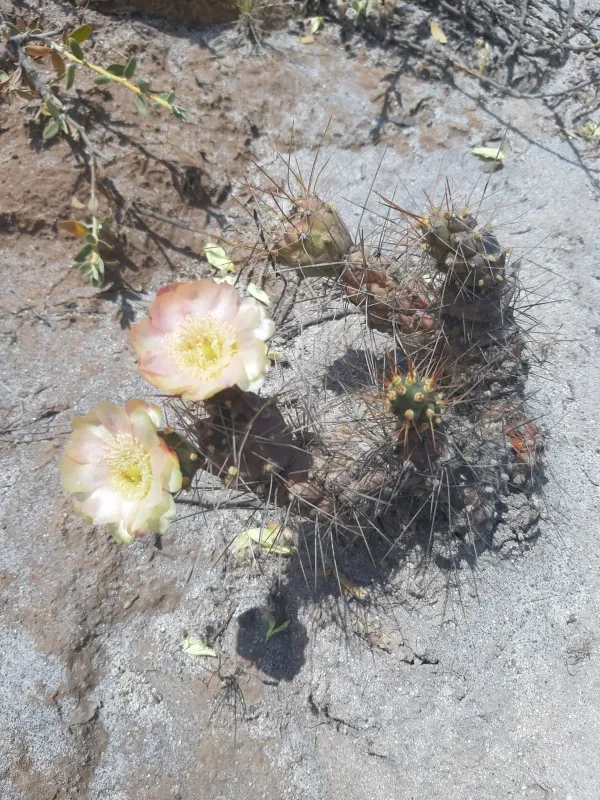
Description
Growing requirements
Cumulopuntia corotilla is a member of the Cactaceae family, known for its distinct growth habit that allows it to thrive in harsh high-altitude environments.
Native to the Andes Mountains in Peru and Bolivia, this species is well-adapted to high UV exposure, thin air, and significant temperature fluctuations between day and night.
Cultivation requires highly porous, well-draining soil mixes, typically consisting of grit, pumice, and minimal organic matter. Good drainage is essential to prevent root asphyxiation.
Bright, direct sunlight is non-negotiable for this species. In cultivation, it requires a position with maximum light exposure to maintain its characteristic compact and dense structure.
The watering regime must be strict: active growth during the warmer months requires careful hydration, while winter months demand a near-dry rest period to reflect the plant's natural dormancy.
Main diseases and pests
The primary concern for this cactus is the development of rot, usually triggered by excessive moisture in the substrate when temperatures are low.
Mealybugs are the most common pest, often colonizing the crevices between segments, which can be difficult to treat without careful inspection and targeted application.
Root rot is frequently caused by poor soil aeration, highlighting the importance of using professional-grade, inorganic mineral mixes for planting.
Prevention involves ensuring excellent airflow around the plant, which helps keep the surface of the stem dry and less hospitable to various pathogens.
Monitoring the plant for signs of stress, such as discoloration or shriveling, allows for early intervention before secondary infections become difficult to manage.