
Cumulopuntia subterranea
Cumulopuntia subterranea
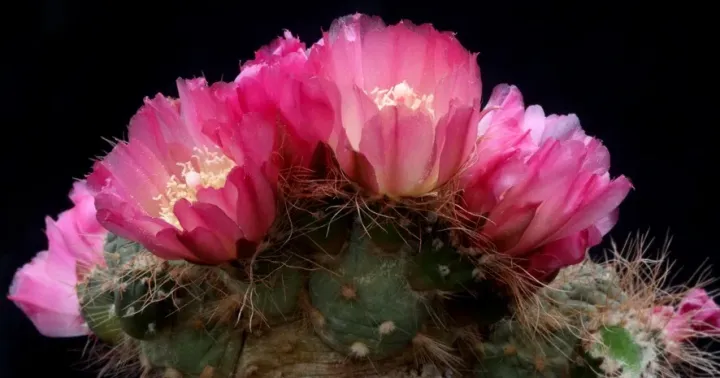
Description
Growing requirements
Cumulopuntia subterranea belongs to the Cactaceae family. This unique high-altitude succulent naturally occurs in the Andes, spanning Bolivia and Argentina at elevations reaching 3000 to 4000 meters above sea level.
Botanically, this species is a geophyte, meaning the majority of its stem structure is concealed beneath the soil surface. This morphological adaptation protects the plant from harsh alpine winds and extreme temperature fluctuations.
The plant has specific substrate requirements: it thrives in a mineral-based, highly permeable soil mix dominated by gravel and coarse sand. Poor drainage is detrimental, as stagnant moisture quickly triggers root rot.
Optimal growth requires intense light exposure and a cool dormancy period. High-quality ventilation is essential, as the plant has evolved to survive in thin, rapidly circulating alpine air.
In greenhouse or indoor conditions, irrigation must be strictly controlled and aligned with the active growing season. During winter, the plant requires a completely dry environment at lower temperatures to encourage future flowering.
Main diseases and pests
The primary threat to this culture is root and stem rot, often caused by overwatering or the use of heavy, moisture-retentive potting mediums.
Among pests, root mealybugs pose the most significant danger. These insects frequently go undetected because the plant's bulk is embedded within the soil.
The plant may also suffer from spider mite infestations if the air humidity is excessively low and greenhouse ventilation is inadequate.
Preventative measures include thorough sterilization of the substrate before planting and frequent inspections of the root zone for signs of pathogen activity.
Systemic fungicides should be used sparingly and only when clear symptoms of disease appear, as these slow-growing high-altitude species are highly sensitive to harsh chemical treatments.