
Woodsia pulchella
Woodsia pulchella
Description
Growing requirements
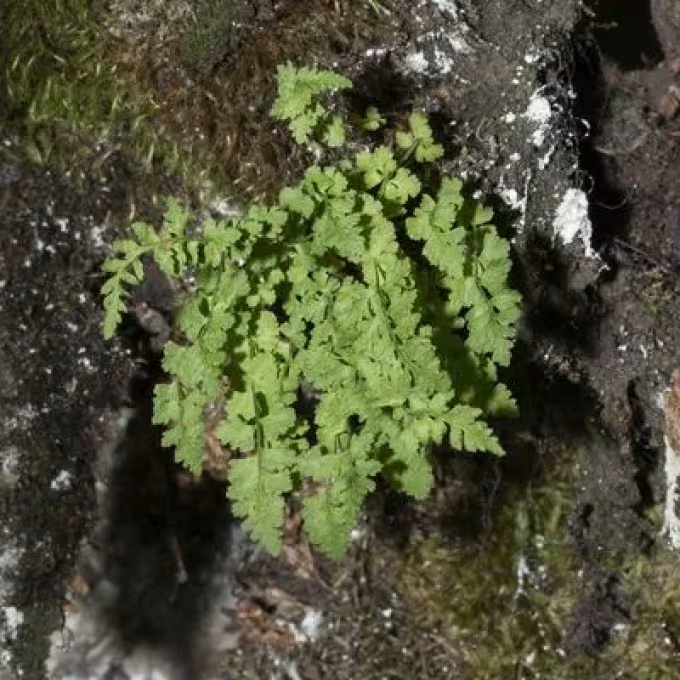
Woodsia pulchella is a perennial fern species belonging to the Woodsiaceae family. It is a compact, slow-growing plant known for its resilience and ability to thrive in harsh, rocky environments where other vegetation often struggles.
The plant originates from the high-altitude mountainous regions of Asia, specifically inhabiting rocky crevices and screes. Its natural habitat dictates its specific needs for cool ambient temperatures and high atmospheric humidity during the growing season.
In cultivation, this fern requires a site with partial shade, avoiding direct exposure to harsh afternoon sunlight. It is essential to mimic its native alpine conditions to ensure long-term survival and healthy growth of the specimen.
The substrate must be exceptionally well-draining, consisting of a mix of soil, grit, and rock debris. Poor drainage is the most significant cause of failure, as stagnant water rapidly leads to decay of the delicate rhizomes.
Woodsia pulchella is primarily utilized in ornamental horticulture. It is a prized addition to rock gardens, alpine houses, and specialized fern collections, providing a refined, delicate aesthetic to stony landscapes.
Main diseases and pests
Fungal pathogens associated with soil moisture are the primary threat to the health of Woodsia pulchella. Root rot is a common issue when the drainage is insufficient, often leading to rapid decline and plant loss.
Gastropods, including slugs and snails, represent a constant danger to the foliage, especially during moist spring weather. Preventive measures, such as gravel mulching or traps, are necessary to preserve the integrity of the fronds.
Environmental stress caused by excessive heat is another major risk factor. As an alpine species, it lacks tolerance for prolonged high temperatures, which can lead to metabolic exhaustion and increased vulnerability to pests.
Lack of winter protection during extreme, snowless freezes can damage the perennating buds. While the species is adapted to cold, rapid thawing and freezing cycles in an garden setting require careful management and mulching.
Chemical control should be approached with caution. Ferns are generally sensitive to high concentrations of pesticides and fertilizers; therefore, any treatment should be applied at lower-than-standard doses to avoid toxicity.