
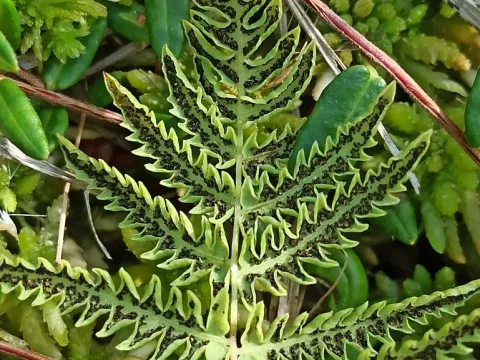
Thelypteris
Thelypteris Schmidel
Thelypteris is a large genus of ferns belonging to the Thelypteridaceae family. In agriculture and ornamental horticulture, it is highly valued for its shade tolerance and ability to adapt to moist environments where other crops often fail to thrive.
What the section contains

Thelypteris
These plants prefer semi-shaded or shaded locations with high atmospheric humidity. In their natural habitat, they are typically found in river floodplains, swampy forests, and damp meadows, which dictates their specific requirements when cultivated.
Soils for successful cultivation must be loose, rich in organic matter, and possess a slightly acidic pH level. A critical factor is the maintenance of consistent substrate moisture without long-term water stagnation, which can lead to rhizome rot.
The optimal temperature range for Thelypteris is between 15 and 22 degrees Celsius. The plant possesses moderate winter hardiness; however, in regions with severe winters, it requires mulching of the root zone with peat or fallen leaves to protect the renewal buds.
Agrotechnical practices focus on keeping plantings free from weeds and providing regular irrigation during dry spells. Fertilizer application should be performed in the spring, using predominantly organic fertilizers, which promotes vigorous growth of the rhizome system.
The main phytopathological threats to Thelypteris are fungal diseases, such as anthracnose and various types of leaf spot. These conditions often manifest when ventilation is poor and humidity levels are excessively high.
Pests that commonly affect this crop include spider mites and foliar nematodes. These organisms cause deformation of the leaf segments and overall growth suppression, reducing the plant's decorative and horticultural value.
Disease prevention relies on adhering to proper planting standards that ensure adequate air circulation between plants. It is essential to remove damaged or dead plant tissues promptly to prevent the development of a favorable infectious background.
Upon detecting the first signs of pest activity, systemic insecticides and acaricides should be applied. Utilizing biological protection methods is also preferable when growing ferns in greenhouses or private collections.
An integrated plant protection system requires regular monitoring of foliage condition, especially during the summer months. Humid climates create favorable conditions for pest reproduction, making soil moisture control a key component of preventive maintenance.