
Woodsia fragilis
Woodsia fragilis
Description
Growing requirements
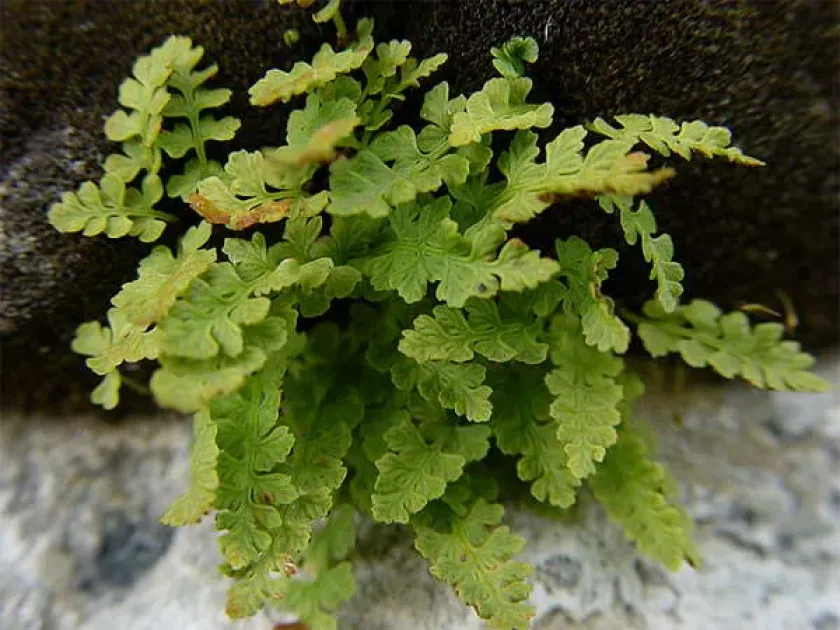
Woodsia fragilis is a species of perennial fern belonging to the Woodsiaceae family. It is characterized by its delicate, fragile fronds and a compact growth habit, making it a unique addition to specialized garden collections.
Naturally found in rocky environments, this fern typically thrives in mountain crevices and shaded cliffs. Its distribution spans temperate regions where the climate allows for winter dormancy and stable spring growth conditions.
Successful cultivation requires a specialized substrate, typically consisting of a mix of grit, sand, and organic matter to ensure superior drainage. This fern does not tolerate waterlogged conditions, which are critical for its survival.
The plant prefers partial shade and a sheltered location. Exposure to intense, direct afternoon sun should be avoided to prevent the fragile fronds from scorching, while constant airflow helps maintain healthy, disease-free foliage.
In terms of usage, Woodsia fragilis is highly valued in rock gardening and alpine displays. It is an excellent choice for planting in narrow crevices or containers where its small, intricate size can be showcased properly.
Main diseases and pests
Fungal pathogens are the most common issue for Woodsia fragilis, especially when soil moisture levels are consistently too high or when humidity remains stagnant around the crown of the plant.
Spider mites can become a significant problem during hot and dry summer months, leading to loss of vigor and potential browning of the fronds if left untreated.
Gastropods, such as slugs and snails, find the tender young fronds highly attractive, necessitating protective measures during the early stages of the growing season.
Poor soil aeration can inhibit growth and promote root rot, necessitating the regular renewal of the top dressing if the substrate becomes compacted over time.
Maintaining a clean growing area by removing decaying organic matter is essential for preventing the buildup of spores and larvae that may threaten the health of the fern.