
Oregon cliff fern
Woodsia oregana
Description
Growing requirements
The Oregon cliff fern (Woodsia oregana) is a hardy perennial fern belonging to the Woodsiaceae family. It is native to the western regions of North America, where it typically thrives in crevices of rock outcrops and rocky screes.
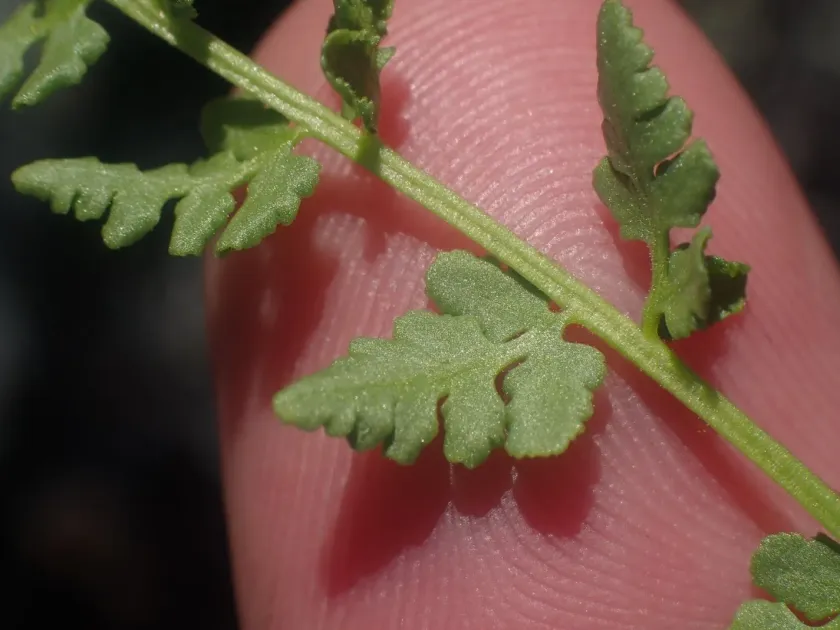
Botanically, it is a small, compact plant with fronds reaching approximately 10–25 cm in height. The foliage is distinctively pinnate and often features glandular hairs, which give the plant a textured and unique appearance, adapted to withstand harsh environmental conditions.
Success in cultivation depends on replicating its natural rocky habitat. The soil must be extremely well-drained; gravelly or sandy substrates are essential to prevent root rot. It performs poorly in heavy, clay-rich, or consistently soggy soils.
In terms of climate, the Oregon cliff fern is highly winter-hardy. It prefers part-shade to full sun locations, provided that moisture levels are managed correctly. It is an excellent candidate for xeriscaping or rock gardens where other plants might struggle to establish.
Its primary agricultural and ornamental use is in landscape design, specifically for alpine gardens and rock walls. It is valued for its persistence and ability to maintain a neat, tidy form throughout the growing season without requiring extensive maintenance.
Main diseases and pests
The most significant threat to the Oregon cliff fern is improper moisture management. Excessive water retention in the soil leading to crown rot is the primary cause of plant loss, making proper drainage the most important factor in its care.
Fungal diseases, including rusts and powdery mildew, can occasionally affect the foliage, especially in humid or stagnant air conditions. Ensuring good air circulation around the plants is a critical preventive cultural practice.
Common garden pests such as slugs and snails can be problematic, particularly during the early spring when the young fronds are emerging. Physical barriers or organic molluscicides are often sufficient to manage these infestations effectively.
While relatively pest-resistant, aphids or spider mites can sometimes appear if the plant is under drought stress. Maintaining consistent, light watering during extreme heat helps keep the fern healthy and less susceptible to these minor pests.
Overall, the Oregon cliff fern is a robust plant. By placing it in a well-drained, appropriate site from the start, a gardener can avoid most pest and disease issues entirely, allowing the plant to thrive with minimal intervention.