
Blunt-lobed cliff fern
Woodsia obtusa
Description
Growing requirements
The blunt-lobed cliff fern (Woodsia obtusa) is a perennial species belonging to the Woodsiaceae family. Originally native to North America, this plant is commonly found growing in rocky crevices and wooded slopes, demonstrating a remarkable ability to thrive in thin, stony soils.
Regarding its climatic preferences, this fern adapts well to temperate zones. It is highly valued in horticulture for its resilience and ability to maintain foliage structure even in varied light conditions, although it performs best in partial to full shade.
Soil requirements are strict regarding drainage. Woodsia obtusa requires a porous, well-draining substrate to prevent root rot. It prefers neutral to slightly acidic soil conditions and benefits from the addition of organic matter like leaf mold for long-term health.
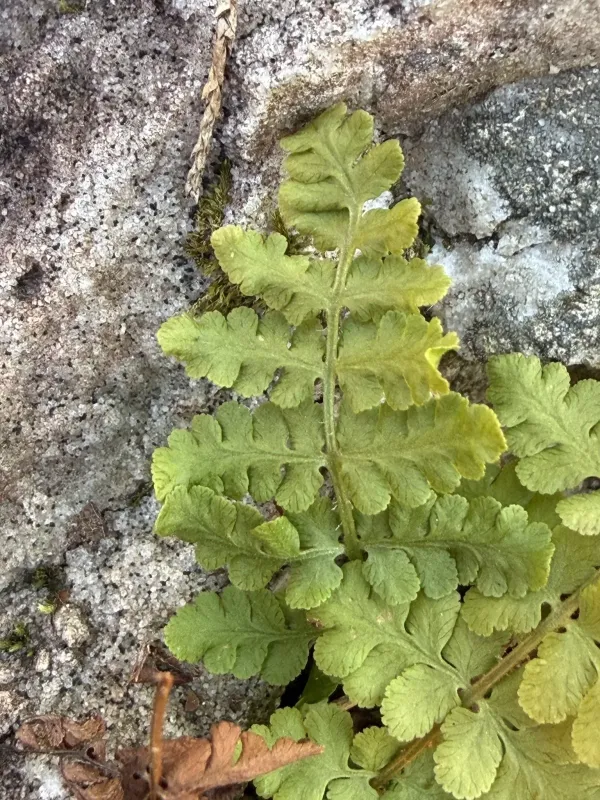
Botanically, the plant is recognized by its tufted fronds that can grow up to 40 centimeters in length. The segments of the fronds are notably blunt at the tips, distinguishing it from other fern species. The plant typically spreads via short, creeping rhizomes.
Agrotechnical maintenance focuses on providing consistent moisture during the active growing season. While established plants show some drought tolerance, supplemental watering during hot, dry spells is essential to prevent tip burn and ensure continuous growth.
Main diseases and pests
The blunt-lobed cliff fern is generally robust but can be prone to crown and root rot if the growing medium remains waterlogged. Ensuring excellent soil aeration is the primary defense strategy against these common soil-borne pathogens.
Pests such as spider mites may occasionally infest the foliage, particularly during periods of low humidity. Managing ambient moisture and ensuring proper air circulation around the plants are effective ways to mitigate the risk of such infestations.
Fungal leaf spot diseases may appear if the fronds are kept excessively wet for long durations. It is recommended to water the plants directly at the base of the crown to keep the foliage dry and reduce the likelihood of spore germination.
Regular sanitation of the planting area is crucial. Removing old, dead fronds at the start of spring helps prevent the buildup of pathogens and provides space for new growth, ensuring the plant remains vigorous throughout the season.
In cases of severe infestation, using specialized horticultural soaps or systemic fungicides is advised. Always follow the manufacturer's instructions, ensuring that the treatment is safe for ferns, which can sometimes be sensitive to concentrated chemicals.