
Woodsia scopulina
Woodsia scopulina
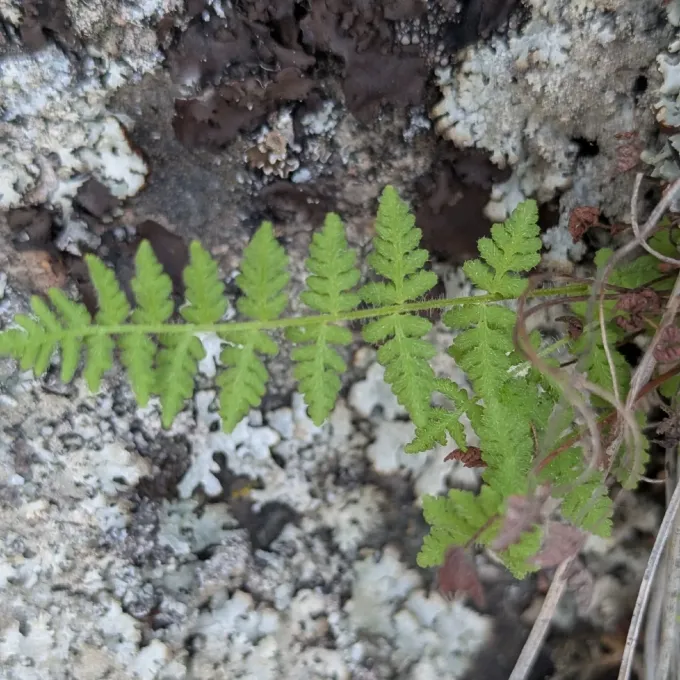
Description
Growing requirements
Woodsia scopulina is a perennial fern species belonging to the Woodsiaceae family. Native to the mountain regions of North America, this plant is naturally adapted to growing in rock crevices, rocky slopes, and loose talus, demonstrating remarkable resilience in harsh environments.
Botanically, it is characterized by its compact, tufted habit with fronds covered in fine glandular hairs. These hairs serve as a protective mechanism against intense ultraviolet radiation and moisture loss in high-altitude environments where the plant thrives.
When cultivating this species, mimicking its natural habitat is crucial. It requires exceptionally well-drained, gritty, and lean soil. It is an ideal candidate for rock gardens, crevice gardens, or trough planting, where moisture regulation is easily controlled by the gardener.
Temperature-wise, the plant prefers cool to moderate climates. It is highly winter-hardy, as its natural range includes zones with long, cold, and snowy winters, making it a reliable choice for gardens in higher latitudes or mountainous regions.
Sunlight requirements are moderate; while it can tolerate some sun, it performs best with protection from the harshest midday rays. Adequate air circulation is essential to prevent the buildup of humidity around the crown, which is vital for the plant's long-term survival.
Main diseases and pests
The primary threat to Woodsia scopulina in a managed landscape is overwatering. Because the species is adapted to rocky substrates, stagnant water in the root zone is lethal, as it inevitably triggers crown and root rot, which are often fatal to the fern.
Pests are generally not a major concern for this species due to its tough, gland-covered foliage. However, in poorly ventilated greenhouses or conservatories, spider mites can occasionally appear, particularly during hot and dry spells.
Fungal diseases such as leaf spots can occur if the humidity levels are consistently too high and the foliage does not dry out quickly after watering. Proper spacing between individual plants is necessary to promote the air movement required to keep the foliage healthy.
Gastropods, such as slugs and snails, may pose a risk to young, emerging fronds in the spring. Applying a layer of sharp grit or crushed stone around the plant's base acts as a natural deterrent, effectively protecting the tender growth from these pests.
Overall, maintaining plant health depends on providing lean, mineral-rich soil and avoiding the application of heavy organic fertilizers. Over-fertilization leads to lush, soft growth that is more susceptible to both mechanical damage and opportunistic pathogens.