
Alpine woodsia
Woodsia alpina
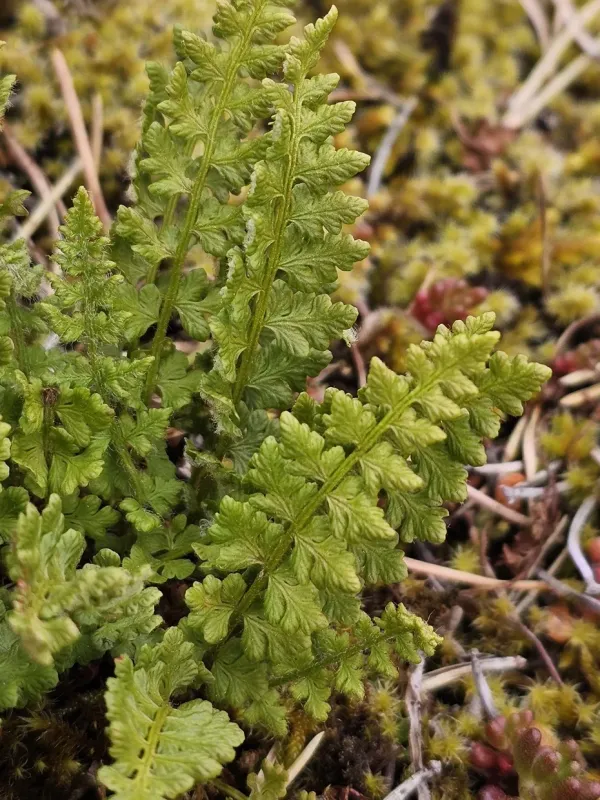
Description
Growing requirements
Alpine woodsia (Woodsia alpina) is a small perennial fern species belonging to the Woodsiaceae family. It is typically found in the arctic-alpine zones of the Northern Hemisphere, where it inhabits rocky crevices, cliffs, and stony slopes, demonstrating remarkable adaptability to harsh environments.
Botanically, it is characterized by its small, tufted fronds that are bipinnate and often feature scales or hairs, which provide protection against drought and wind. The rhizome is short and woody, enabling the fern to establish itself firmly in narrow gaps with minimal soil organic matter.
Cultivation of this species requires careful mimicry of its natural habitat. The primary requirement is an exceptionally well-draining substrate, as the plant is highly susceptible to root rot if water lingers around the rhizome. A mixture of gravel, grit, and loam is ideal.
Alpine woodsia prefers cool, shady locations, shielded from the intense midday sun. While it requires humidity, it also needs excellent air circulation to remain healthy. Excessive humidity combined with stagnant air is a major cause of failure in domestic cultivation.
The plant is highly frost-hardy, making it a suitable candidate for rock gardens in colder climates. However, growth is slow, and the plant should not be crowded by faster-growing species that might compete for light, water, and nutrients.
Main diseases and pests
The most significant threats to Alpine woodsia are fungal pathogens caused by improper drainage or poor air circulation. Botrytis and root rot are common issues if the plant is kept in a substrate that stays saturated for too long.
Pests are generally not a major concern, though slugs and snails can feed on the tender new fronds during the spring season. Protecting the crown of the fern with coarse grit or organic barriers is an effective preventive method against these gastropods.
In rare cases, scale insects or aphids might appear in greenhouse conditions, but they are seldom a problem in outdoor rockeries. Regular inspection of the fronds for any discoloration or distorted growth is recommended to detect problems early.
Chemical control should be approached with caution, as ferns can be sensitive to many conventional pesticides. It is better to focus on cultural practices, such as pruning dead fronds to keep the plant hygienic and encouraging healthy growth.
In terms of usage, Alpine woodsia is highly valued by specialized collectors and rock garden enthusiasts. It is an excellent choice for adding a touch of natural, rugged elegance to alpine displays, rather than for large-scale agricultural or industrial production.