
Woodsia polystichoides
Woodsia polystichoides
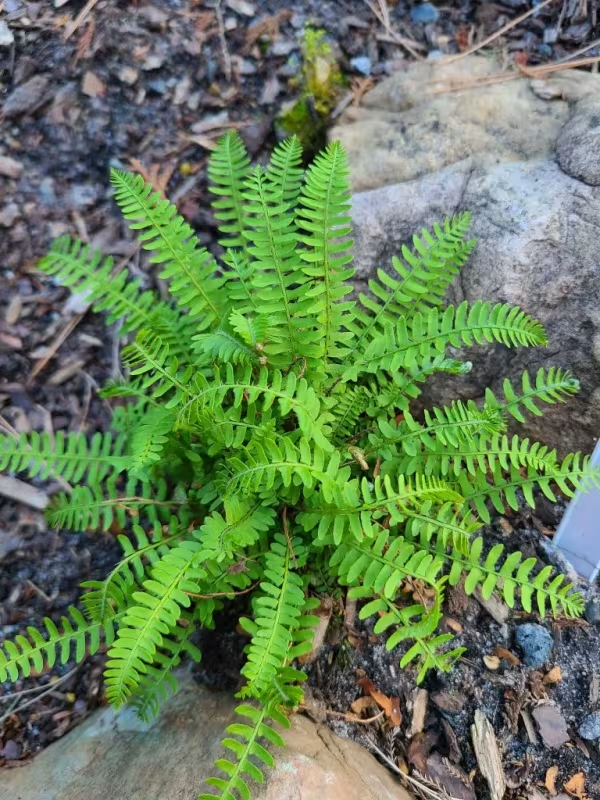
Description
Growing requirements
Woodsia polystichoides is a hardy perennial fern belonging to the Woodsiaceae family. Native to East Asia, including Japan, Korea, and parts of China, it is typically found growing in rock crevices and on steep mountain slopes.
The plant features elegant, linear-lanceolate fronds that form neat, attractive clumps. Its architectural shape and adaptation to rocky environments make it a perfect candidate for rock gardens, stone walls, and alpine troughs.
Successful cultivation requires soil that mimics its natural habitat. The substrate must be highly permeable, utilizing a mix of grit, sharp sand, and organic potting soil to ensure that water drains away from the crown of the fern immediately.
Regarding climate, this fern is highly cold-tolerant. It thrives in temperate regions, preferring cool summers and well-ventilated conditions. It is not suitable for hot, humid tropical climates where root rot often occurs.
Maintenance is minimal. The plant should be kept consistently moist but never waterlogged. Fertilization should be very light, as heavy feeding can encourage weak, leggy growth that is susceptible to environmental stress.
Main diseases and pests
The primary concern for Woodsia polystichoides is root and crown rot, caused by stagnant water. Ensuring a steep planting angle or a significant drainage layer underneath the plant is essential to prevent these conditions.
Fungal leaf spot diseases can develop if the foliage remains wet for extended periods in stagnant air. Improving airflow through proper spacing is the best cultural practice to prevent such outbreaks.
Pests like mealybugs or spider mites may occasionaly infest the fronds, particularly if the plant is under stress from heat or drought. Frequent monitoring and gentle washing with soapy water are often effective.
Slugs and snails are major threats to tender young fiddleheads in the spring. Protective barriers, such as copper tape or crushed eggshells, can be used to prevent these mollusks from reaching the plant.
Environmental stress from intense, direct sunlight can result in scorched fronds. While the species is somewhat resilient, providing shelter from the harshest afternoon sun is recommended to keep the foliage looking its best.