
Woodsia macrochlaena
Woodsia macrochlaena
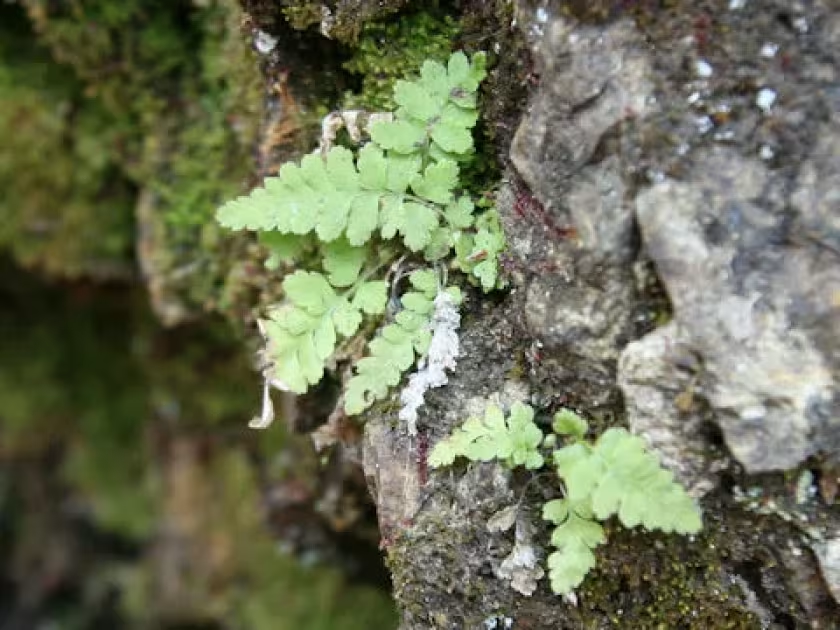
Description
Growing requirements
Woodsia macrochlaena is a perennial herbaceous plant belonging to the Woodsiaceae family. Native to rocky outcrops and scree slopes, this fern is highly specialized, thriving in environments that are challenging for many other plant species.
The cultivation of this fern requires excellent soil drainage, as the roots are highly susceptible to rot in stagnant water. An ideal growing medium consists of a loose, rocky mix with neutral to slightly acidic pH, mimicking its natural mountainous habitat.
This species is well-adapted to cold climates and is notably hardy. However, in garden settings, it performs best in partial shade. Direct midday sunlight should be avoided to prevent the delicate fronds from scorching and wilting during the peak of summer.
Agricultural management involves consistent but careful watering. Maintaining a stable moisture level in the substrate is crucial; however, the soil must never become waterlogged, as the root system requires significant oxygen flow to remain healthy and vibrant.
In landscaping, Woodsia macrochlaena is prized for rock gardens, crevice plantings, and stone walls. Its compact growth habit and elegant, finely textured fronds make it an excellent choice for creating naturalistic displays that echo high-altitude flora.
Main diseases and pests
The primary threats to Woodsia macrochlaena involve fungal pathogens triggered by poor air circulation and excessive moisture. Root rot is a common issue when the plant is grown in overly dense, heavy soils that lack proper drainage characteristics.
Slugs and snails are the most prominent pests, often feeding on the tender emerging fronds during the spring season. A layer of coarse gravel mulch around the base of the plant acts as a physical barrier that discourages these pests from reaching the crown.
Leaf nematodes can occasionally infest the foliage, resulting in necrotic spots. Preventive measures include ensuring sufficient spacing between plants to reduce humidity buildup and promptly removing any infected frond tissue to halt the spread of the infestation.
Spider mites and aphids may occur if the ambient air becomes too dry, particularly in indoor or greenhouse cultivation. Application of pesticides must be performed cautiously to avoid chemical injury to the sensitive fern tissue, using low-concentration solutions.
Sanitation is a vital aspect of Woodsia maintenance. Removing dead or decaying fronds each spring helps minimize the buildup of pathogen spores and improves air circulation, which is essential for the long-term vigor of the fern rosette.