
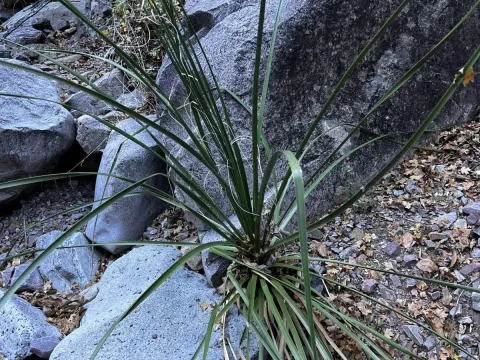
Nolina
Nolina
Nolina is a genus of flowering plants in the family Asparagaceae. Native to the arid regions of North America, specifically Mexico and the southern United States, it is widely recognized for its swollen, water-storing trunk known as a caudex.
What the section contains


Nolina
The plant is biologically optimized for desert survival. Its long, leathery leaves are designed to minimize transpiration, while the caudex serves as a hydraulic reservoir, allowing the plant to thrive even when water availability is extremely low.
Climatic requirements for Nolina include bright, indirect light and warm temperatures. While it can withstand direct sun, a period of acclimatization is necessary. It is not frost-hardy and should be kept in environments where temperatures do not drop below 10°C.
Soil composition must prioritize drainage. A substrate consisting of sandy loam or a specialized succulent mix with high inorganic content is mandatory. Over-compaction of the soil can lead to anaerobic conditions, causing root asphyxiation and eventual plant death.
The watering schedule must follow the dry-down cycle. During the growing season, water deeply but infrequently, ensuring the substrate is completely dry before the next irrigation. In winter, the plant enters a dormant phase, requiring minimal to no moisture.
Root rot is the primary physiological and pathological threat to Nolina. It is almost exclusively caused by over-irrigation or poor drainage, which facilitates the growth of soil-borne pathogens that destroy the vascular system of the caudex.
Spider mites are common arthropod pests that thrive in dry, stagnant air. Their feeding causes stippling on the foliage and, if left uncontrolled, results in widespread chlorosis and premature leaf drop.
Scale insects present a significant challenge due to their protective waxy shells. These pests attach themselves to the leaf blades and stems, weakening the plant by extracting essential nutrients and promoting sooty mold development.
Mealybugs are another common pest identified by their white, powdery appearance. They tend to cluster in the growth crown, necessitating precise application of horticultural oils or systemic insecticides to eradicate.
Effective pest management relies on early detection and maintaining proper environmental conditions. Stressing the plant through erratic watering makes it more susceptible to these invasions, emphasizing the need for disciplined agronomic care.