
Ornithogalum arcuatum
Ornithogalum arcuatum
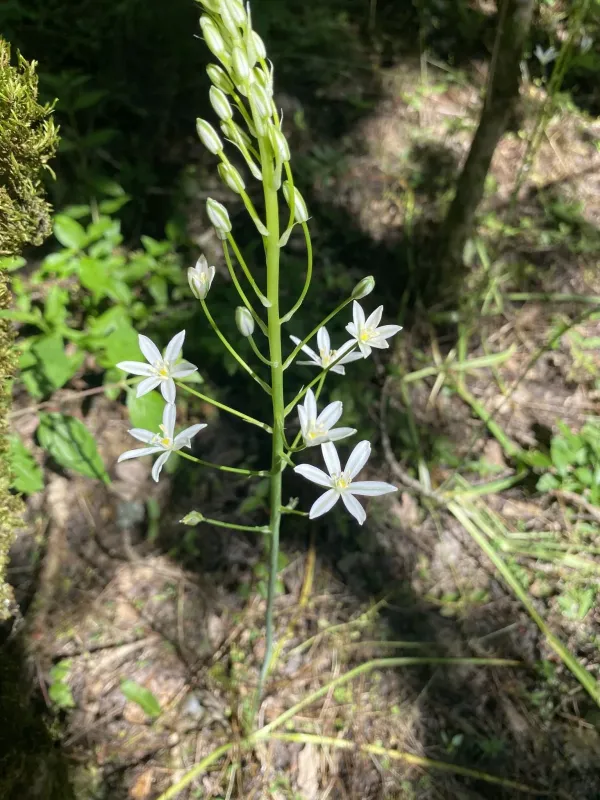
Description
Sowing dates
Planting of Ornithogalum arcuatum bulbs is best performed in the autumn season, several weeks before the ground freezes to allow for proper root establishment.
When propagating by seeds, it is recommended to sow them in prepared seedbeds or pots during the late autumn to ensure they undergo the necessary cold stratification period.
The planting depth for the bulbs should be adjusted according to their size, typically burying them at a depth of three times the diameter of the bulb for optimal insulation.
Vegetative propagation via offsets should take place during the dormant period, once the foliage has turned yellow and withered completely, signaling the plant's rest phase.
Spacing the plants roughly 15 to 20 centimeters apart is essential to maintain healthy air circulation, which is critical for preventing moisture-related issues.
Growing requirements
Ornithogalum arcuatum thrives in full sun exposure but is versatile enough to tolerate light shade without significantly compromising its blooming performance.
The species requires well-drained, sandy or loamy soil types; stagnant water is detrimental to the health of the bulbous root system and can lead to rapid decay.
Soil pH levels should be maintained near neutral or slightly alkaline, as overly acidic conditions can negatively impact nutrient uptake and overall plant vigor.
While the plant shows good drought tolerance once established, it benefits from consistent moisture levels during the active spring growth phase to support floral development.
Applying a balanced mineral fertilizer at the beginning of the growth cycle will encourage more vigorous stalks and a prolonged flowering duration during the season.
Main diseases and pests
The most significant threats to this species include fungal infections such as Fusarium wilt and various bulb rots, which often occur due to poor drainage and waterlogging.
Pests such as bulb mites and certain species of nematodes can cause structural damage to the underground organs, leading to stunted growth and reduced vigor.
Effective management includes maintaining a dry dormancy period for the bulbs and ensuring the planting site is equipped with adequate drainage materials like gravel or sand.
In case of pest infestation, targeted treatment with acaricides or biological controls may be necessary to protect the health of the root system during the growing season.
Sanitation practices, including the removal of dead leaf debris and infected bulbs, play a crucial role in preventing the overwintering of pathogens in the garden soil.