
Nolina microcarpa
Nolina microcarpa
Description
Growing requirements
Nolina microcarpa, commonly known as bear grass, is a perennial evergreen plant belonging to the Asparagaceae family. This species is native to the arid desert regions of the southwestern United States and northern Mexico, where it thrives on rocky slopes.
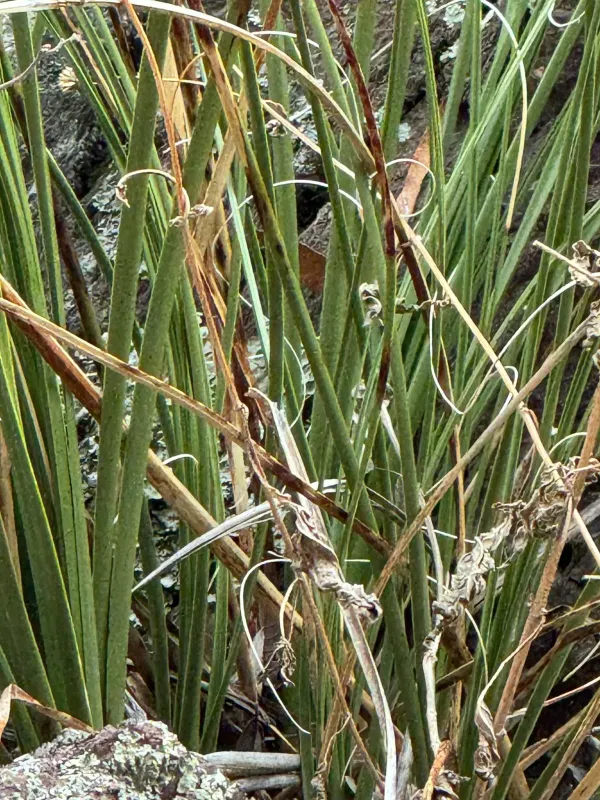
The plant features a basal rosette of long, tough, grass-like leaves that are highly efficient at water conservation. It typically develops a woody, thickened base or trunk that acts as a water storage organ, an essential adaptation to its harsh desert habitat.
For optimal health, Nolina microcarpa requires full sun exposure and a well-draining soil mix. In cultivation, it is crucial to mimic its natural environment by providing a substrate high in grit or coarse sand to ensure that the roots never sit in standing water.
The species is highly tolerant of heat and drought but requires a period of dormancy during the colder months. Proper airflow is essential, especially when grown in containers, to prevent overheating and moisture buildup around the base of the plant.
In terms of usage, it is highly valued for xeriscaping and sustainable landscape design. Its architectural form makes it a perfect focal point in gardens that aim to reduce water consumption while maintaining a striking visual impact.
Main diseases and pests
The primary threats to Nolina microcarpa are fungal infections caused by excessive moisture. Root rot is the most common issue, often resulting from poor soil drainage or overwatering, which can quickly become fatal for the plant.
Pests such as spider mites are a major concern, particularly in indoor environments with low humidity. They thrive on the dry foliage, feeding on cell fluids and causing the leaves to lose their vibrant color and structural integrity.
Mealybugs and scale insects also pose a threat, as they tend to hide deep within the dense leaf rosettes where they are difficult to reach. Regular inspections and the use of insecticidal soaps or oils are recommended to keep populations in check.
Good cultural practices, including clean gardening tools and avoiding overhead watering, significantly reduce the risk of pathogen spread. Healthy plants are generally resistant, so focusing on vigor is key to pest management.
Finally, environmental stress from sudden temperature fluctuations or poor ventilation can weaken the plant's natural defenses, making it more susceptible to opportunistic diseases that target succulents.