
Nolina bigelowii
Nolina bigelowii
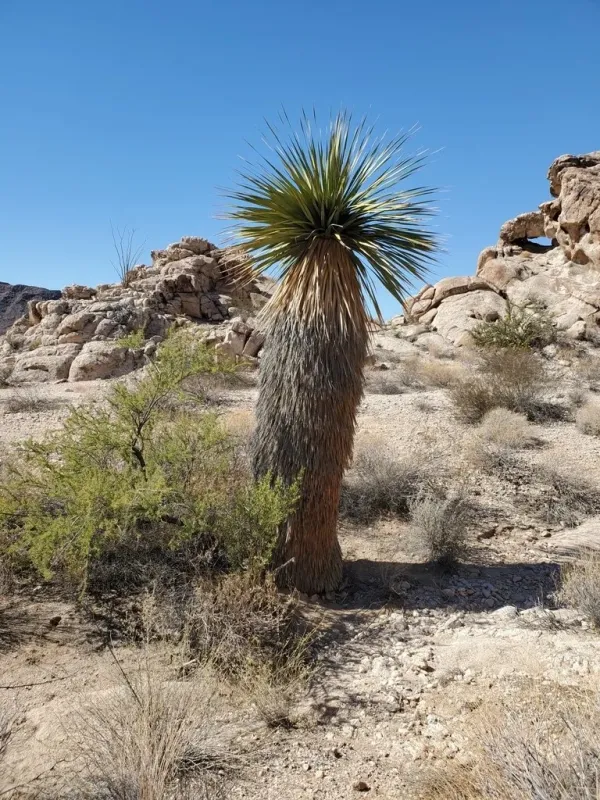
Description
Growing requirements
Nolina bigelowii, commonly known as Bigelow's nolina or bear grass, is a robust perennial succulent belonging to the Asparagaceae family. This species is native to the arid desert landscapes of the southwestern United States and northwestern Mexico.
The plant is distinguished by its thickened, water-storing caudex and rosettes of rigid, grass-like leaves. Its evolutionary adaptation allows it to thrive in high-heat environments where moisture availability is extremely limited for most of the year.
To cultivate this species successfully, growers must prioritize excellent drainage. Sandy or rocky soil substrates are essential, as Nolina bigelowii is highly susceptible to root rot if moisture remains around its root zone for extended periods.
Light intensity is another critical factor; the plant requires full sun to maintain its structural integrity and slow growth rate. In greenhouse conditions, ensuring high air circulation is vital to mimic the dry, airy environment of its natural desert habitat.
From a horticultural perspective, it is primarily used in xeriscaping and ornamental gardening in arid regions. Its slow maturation makes it a prized specimen for collectors and botanical displays focused on drought-tolerant species.
Main diseases and pests
Fungal root diseases are the primary threats to Nolina bigelowii in cultivation. These are almost exclusively caused by overwatering or the use of poorly draining soil mixes that prevent the roots from drying out between irrigation cycles.
Pest infestations, including mealybugs and spider mites, can become problematic in sheltered or indoor environments. These insects tend to hide in the tightly packed centers of the leaf rosettes, making early detection and treatment difficult.
Applying harsh chemical pesticides can sometimes damage the waxy cuticle of the leaves. Therefore, integrated pest management practices, such as using horticultural oils or systemic soaps, are preferred to manage outbreaks while preserving plant health.
Environmental stress, specifically the combination of low temperatures and high humidity, significantly weakens the plant's natural immunity. Keeping the plant in a dry state during winter dormancy is essential to prevent physiological decline.
Regular sanitation of the growth area and the removal of dead leaf material from the base of the plant are crucial steps to minimize the habitat for pests and prevent the development of decay-causing fungi.