
Northern Star-of-Bethlehem
Ornithogalum adseptentrionesvergentulum
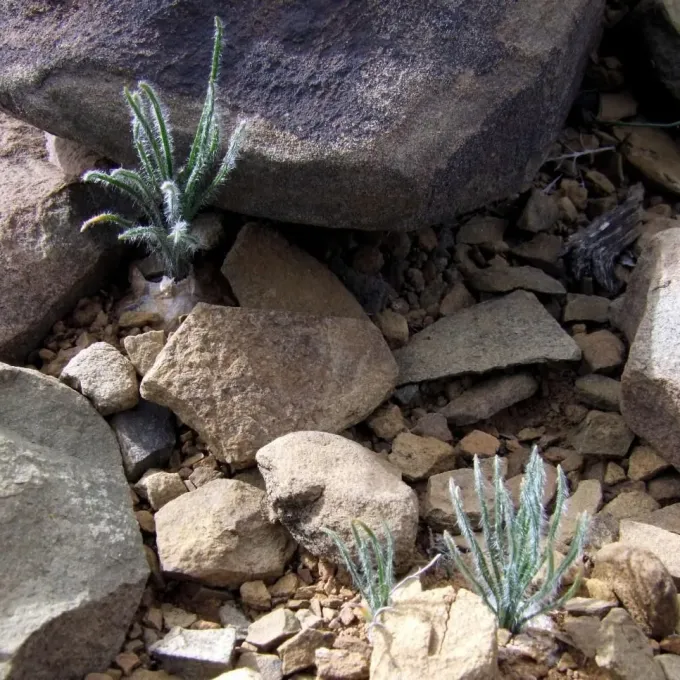
Description
Sowing dates
Planting of the bulbs is primarily performed in the autumn season, allowing the plant to establish a strong root system before the onset of the dormant winter period.
For regions with harsh climates, early spring planting is an acceptable alternative, provided the soil has thawed and warmed to at least 10 degrees Celsius.
Bulbs should be planted at a depth of 6 to 10 centimeters, maintaining a spacing of approximately 15 centimeters to allow for optimal growth and air circulation.
Propagation via seeds is a viable but slower method, requiring a significant period of stratification to break dormancy and ensure uniform germination in the spring.
Grouping bulbs in clusters of 3 to 5 is recommended for both aesthetic purposes and to improve the chances of successful naturalization in the landscape.
Growing requirements
The Northern Star-of-Bethlehem belongs to the Asparagaceae family, thriving in sunny locations with well-drained, nutrient-rich soils and a neutral pH level.
It is an adaptable species that prefers stable moisture levels during its active growing phase but must avoid waterlogged conditions that can cause bulb rot.
Fertilization regimes should prioritize potassium and phosphorus application during the post-flowering stage to build up reserves for the next year's growth cycle.
The plant demonstrates significant tolerance to light frosts, making it suitable for temperate northern regions provided it is protected from excessive winter moisture.
Regular maintenance including weeding and light soil aeration helps ensure the plant receives sufficient oxygen and nutrients for vigorous development throughout the season.
Main diseases and pests
Common fungal pathogens such as Fusarium species can cause severe damage to the bulb base, often exacerbated by high humidity and poor soil drainage.
Pests, particularly bulb mites and certain larvae, can infiltrate the bulbs, leading to significant weakening of the plant and potentially secondary bacterial infections.
Viral diseases represent a serious challenge, often resulting in distorted foliage and reduced floral output, necessitating the immediate removal of infected specimens.
Integrated pest management strategies, including the use of certified disease-free bulbs and regular site inspection, are essential for maintaining a healthy population.
Proper sanitation practices, including the removal of dead plant material at the end of the season, are critical for preventing the carry-over of pathogens.