
Ornithogalum amphibolum
Ornithogalum amphibolum
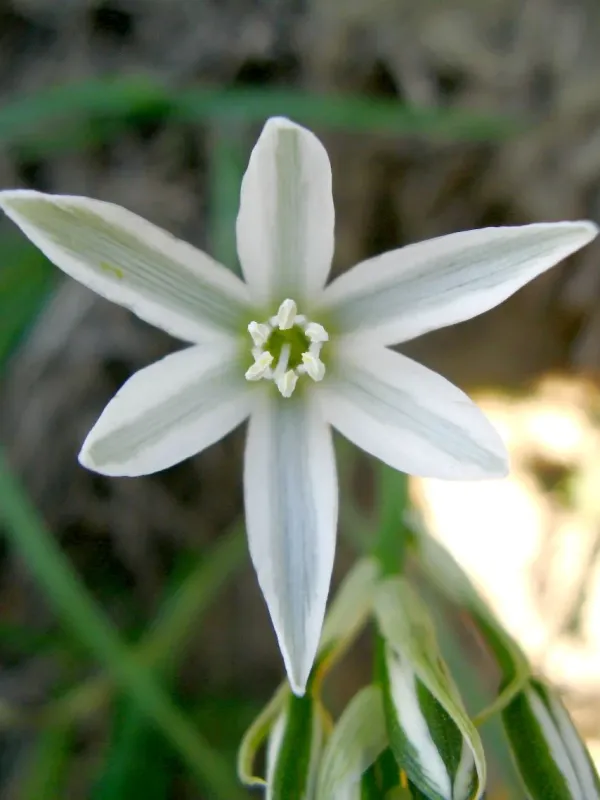
Description
Sowing dates
Planting of Ornithogalum amphibolum bulbs is best conducted in the autumn season, allowing the bulbs to establish root systems in soil that remains warm enough before the onset of winter dormancy. Spring planting is a secondary option for colder climates to avoid the risk of severe frost.
The depth of planting should typically be three times the diameter of the bulb, ensuring it is deep enough to remain protected but shallow enough to allow for easy emergence of the foliage. Proper placement in the soil is crucial for the plant's structural stability.
Spacing requirements involve placing bulbs approximately 10 to 15 centimeters apart. Adequate distance promotes airflow between individual plants, which is an essential factor in reducing the humidity that leads to fungal outbreaks in dense plantings.
Soil preparation involves turning the earth to a depth of at least 25 centimeters and incorporating organic matter or compost. Adding sand or fine gravel to the planting site is highly recommended to improve drainage characteristics.
Seed-based propagation requires patience and careful monitoring, as germination can be slow and erratic. Seeds should be sown in a sterile, loose substrate and kept under consistent temperature conditions until they reach the seedling stage.
Growing requirements
Ornithogalum amphibolum thrives in full sun exposure, which is necessary for the development of robust, high-quality flower spikes. While it can tolerate partial shade, insufficient light often results in elongated, weak stems and diminished bloom production.
The soil should be light and well-draining, with a preference for sandy loams that do not retain excess moisture. Heavy, clay-based soils are generally unsuitable unless amended significantly, as they promote rot in the bulbous structures.
Climate adaptability of this species is moderate, requiring a distinct seasonal temperature variation to complete its biological lifecycle. Cold winters followed by a stable, warming spring allow the plant to initiate its reproductive stage effectively.
Water management is critical during the active growing season. While the species is somewhat drought-tolerant, consistent soil moisture during the spring development phase significantly enhances plant vigor and the duration of flowering.
Nutrient requirements are modest but benefit from balanced fertilization applied during the early growth stages. Utilizing slow-release fertilizers ensures a steady supply of nutrients, which helps in developing healthy foliage and high-energy bulb storage.
Main diseases and pests
Fungal pathogens, particularly those responsible for bulb rot and botrytis, are the primary threats to the health of Ornithogalum amphibolum. These diseases typically manifest in conditions where soil moisture is poorly regulated or aeration is restricted.
Common garden pests such as aphids and bulb mites can cause significant stress to the plants. Aphids frequently cluster on the emerging flower spikes, whereas bulb mites target the basal plate, causing irreversible internal damage.
Slugs and snails can pose a recurring problem, especially during early spring when young, tender growth is most vulnerable. Barrier methods or targeted organic baits are effective strategies for limiting their impact on the foliage.
Viral infections, often spread by insect vectors such as thrips, can result in stunted growth and discolored leaves. Once a plant exhibits symptoms of systemic viral infection, it should be removed and destroyed to prevent spreading.
Cultural practices like maintaining clean beds and avoiding overhead watering during the late afternoon help significantly in disease prevention. Regularly rotating the crop site minimizes the buildup of soil-borne pathogens and larvae of pests.