
Nolina longifolia
Nolina longifolia
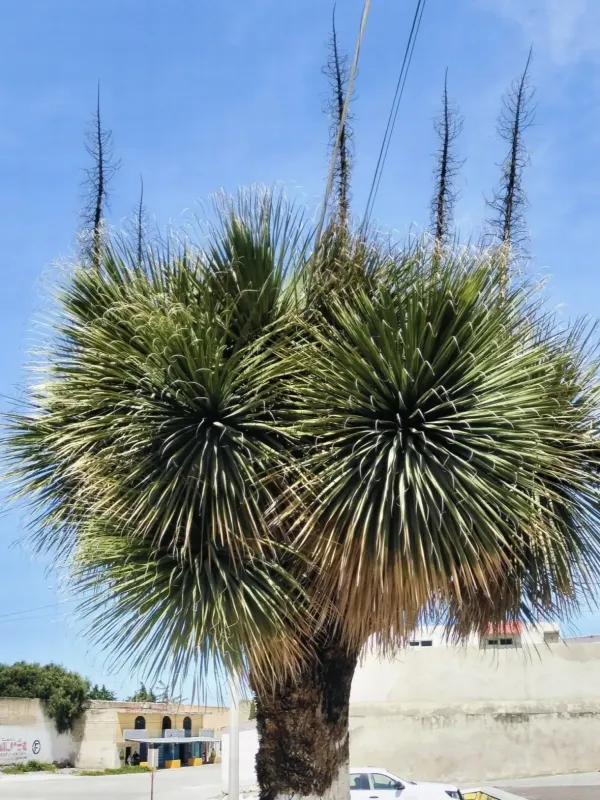
Description
Growing requirements
Nolina longifolia is a slow-growing succulent plant belonging to the Asparagaceae family. Often referred to for its unique architectural form, it features a thick, woody stem and long, drooping leaves that can reach significant lengths in mature specimens.
Native to the arid regions of Mexico, this species has evolved to withstand long periods of drought. Its natural habitat consists of rocky slopes and semi-desert environments, which dictates its preference for specific mineral-rich soil conditions.
Successful cultivation requires full sun exposure. In greenhouse or interior settings, providing as much natural light as possible is essential for maintaining the plant's structural integrity and preventing the foliage from becoming weak or spindly.
The soil must be exceptionally porous to ensure fast drainage. A mix of pumice, perlite, and coarse sand combined with a small amount of organic compost provides the ideal balance of aeration and moisture retention that the root system requires.
Temperature management is vital: the plant thrives in warm conditions during the growing season, typically between 20°C and 25°C. During the dormant winter period, temperatures should be kept cooler, around 10°C, with minimal irrigation to prevent stress.
Main diseases and pests
Root rot is the primary threat to Nolina longifolia, usually resulting from overwatering or poorly draining soil media. Once the root system is compromised, the base of the stem (caudex) often becomes soft and susceptible to bacterial decay.
Common pests include spider mites, which thrive in low-humidity environments. Regularly cleaning the leaves and maintaining adequate airflow can prevent these pests from establishing colonies that damage the foliage surface.
Scale insects and mealybugs may also infest the plant, hiding in the leaf axils. These pests are best managed by systemic insecticides or targeted applications of horticultural oils during the early stages of infestation.
Fungal infections can develop if the foliage remains wet for extended periods. It is crucial to water the soil directly rather than the leaves to keep the crown dry, especially during periods of high humidity or low light.
Prevention through disciplined irrigation and hygiene is the best way to maintain plant health. By mimicking its native climatic cycle, growers can ensure the longevity and decorative appeal of this remarkable succulent species.