
Muscari pulchellum
Muscari pulchellum
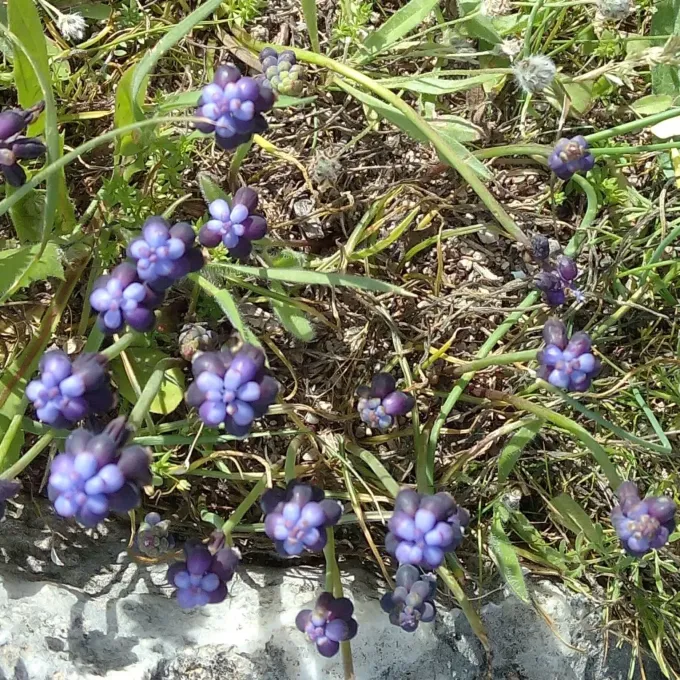
Description
Sowing dates
Muscari pulchellum is a bulbous perennial plant belonging to the Asparagaceae family. This species is native to the Eastern Mediterranean and the Middle East, known for its distinct botanical elegance and reliability in cool-season gardening.
The ideal time for planting bulbs is during the autumn, typically from September to October. Planting must be completed before the soil freezes to allow the roots to establish properly before the onset of the dormant winter phase.
The planting depth depends on the bulb size; generally, bulbs should be buried at a depth of 8–10 cm for larger bulbs and 5–6 cm for smaller ones. Proper spacing of 7–10 cm is recommended to ensure healthy plant development.
Propagation is primarily achieved by dividing the offsets (bulblets) that form around the main bulb. This process is typically performed during the summer dormancy period when the plant is not actively growing.
While seed propagation is possible, it is not common in commercial agriculture because it takes several years for seedlings to reach a maturity stage suitable for flowering, unlike bulb division which provides faster results.
Growing requirements
Muscari pulchellum requires well-drained, fertile, and slightly alkaline soils to thrive. It is highly sensitive to waterlogged conditions, which can lead to rapid decay of the bulb's basal plate.
The plant performs best in full sun or light partial shade. Providing sufficient sunlight during the spring vegetative phase is crucial for the photosynthesis required to build energy reserves for the following season.
Watering should be balanced: moderate moisture is required during the spring growth period, but the soil should be kept relatively dry during the summer dormancy to prevent fungal pathogens from attacking the bulbs.
The species demonstrates good winter hardiness. In regions with exceptionally harsh climates, a light layer of organic mulch can be applied to provide thermal insulation and prevent soil heaving caused by freeze-thaw cycles.
Regular fertilization with balanced NPK fertilizers during the early stages of spring growth supports the development of lush foliage and improves the quality of the subsequent bloom.
Main diseases and pests
The most significant pest for this crop is the bulb nematode, which causes severe tissue damage. There is no chemical cure for infested plants, so prompt removal and destruction of the infected bulbs are mandatory.
Gray mold (Botrytis) is a primary disease concern, especially in environments with high humidity and poor air circulation. Effective management includes thinning out plantings and avoiding overhead irrigation.
Aphids can infest the flower stalks during the spring. While they rarely kill the plant, they can spread viruses and reduce the aesthetic value, necessitating the use of systemic or contact insecticides.
Viral diseases, such as mosaic virus, can cause leaf chlorosis and stunted growth. Because these viruses are transmitted by sap-sucking insects, pest control is an essential part of disease prevention.
Rodents, including mice and voles, are known to consume the bulbs in winter. Protecting the bulbs with wire mesh baskets or planting them in containers is a common practice in areas with high rodent populations.
Harvesting
Muscari pulchellum is mainly utilized in ornamental horticulture for garden borders, rockeries, and containers. It is also highly valued for commercial forcing to provide cut flowers in the early spring market.
Bulbs intended for storage or division should be lifted after the foliage has fully withered and turned yellow. This ensures that the bulbs have fully matured and stored sufficient nutrients for the next cycle.
After harvesting, bulbs must be cleaned of soil and debris, then cured in a shaded, well-ventilated area. Direct sunlight should be avoided during the drying process to prevent sunburn and dehydration.
Storage conditions are critical: bulbs should be kept in a cool, dry, and dark environment at temperatures between +17 and +20 degrees Celsius. Regular monitoring is required to detect early signs of mold or decay.
For industrial greenhouse forcing, the harvested bulbs are subjected to a controlled period of chilling, which breaks dormancy and forces uniform flowering once the plants are moved into a warmer, bright environment.