
Nolina interrata
Nolina interrata
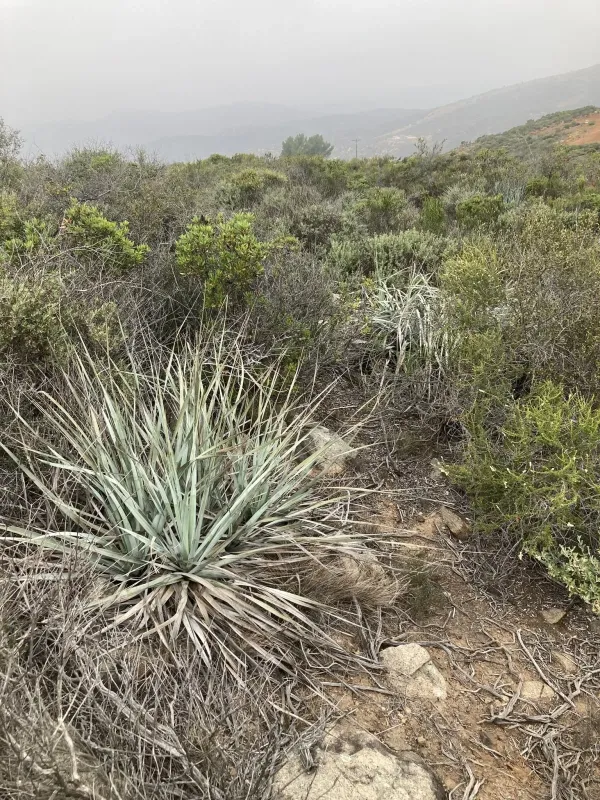
Description
Growing requirements
Nolina interrata, commonly known as Dehesa beargrass, is a distinctive succulent species belonging to the Asparagaceae family. This rare plant is primarily found in the coastal sage scrub habitats of San Diego County and parts of Baja California.
Botanically, it is defined by a thickened, bulbous base known as a caudex, which acts as a primary water storage organ. The leaves are rigid, fibrous, and serrated, forming a dense rosette that is highly adapted to arid, nutrient-poor environments.
The cultivation of Nolina interrata requires well-draining, sandy soil and full sun exposure. In agricultural or horticultural settings, it is essential to replicate its native rocky, arid conditions to prevent the moisture-related issues that often affect succulents in non-native environments.
The plant demonstrates high drought tolerance but is extremely sensitive to waterlogged soil. Irrigation should be applied sparingly, only during the active growing season, and avoided during the dormant winter phase to ensure the root system remains viable.
Due to its slow growth rate, it is rarely grown for commercial harvest but is highly valued in specialty nurseries and botanical collections. It serves as an important example of ecological adaptation in dryland agriculture and xeriscaping.
Main diseases and pests
The most significant threat to the health of Nolina interrata is root rot caused by poor drainage or overwatering. When the soil remains damp for extended periods, pathogens quickly compromise the structural integrity of the plant's caudex.
Common horticultural pests include mealybugs and scale insects, which often cluster deep within the dense leaf rosettes. Frequent inspection and manual cleaning are required to manage these populations and prevent long-term damage to the plant's foliage.