
Muscari tenuiflorum
Muscari tenuiflorum
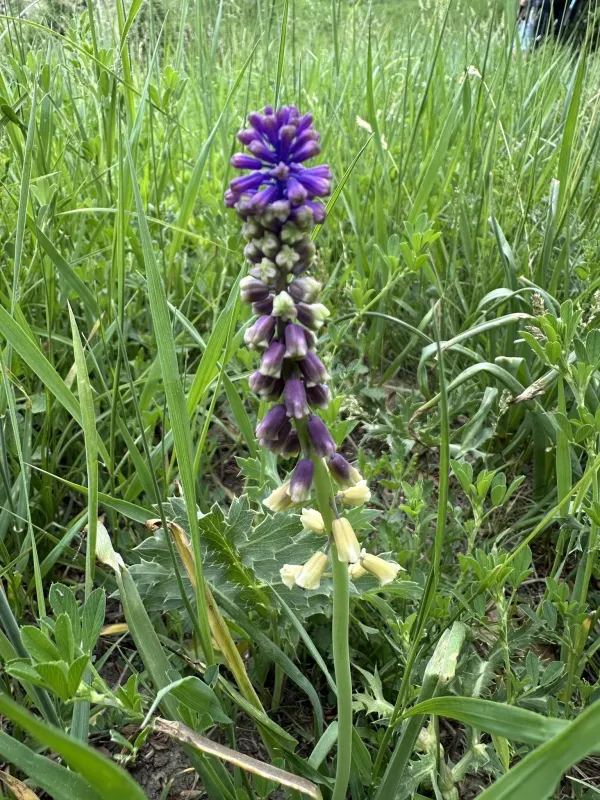
Description
Sowing dates
Muscari tenuiflorum is propagated primarily through offsets, which are small bulbs that develop around the main parent bulb. These offsets should be separated during the summer dormancy period when the foliage has completely withered, ensuring that the bulbs remain in good health for the next season.
Planting should take place in early autumn, ideally between September and October, to allow the roots to establish before the ground freezes. The bulbs should be placed in the soil at a depth of about 8 cm, spaced approximately 10 cm apart to prevent overcrowding in the flower beds.
If seeds are used for propagation, they must be sown in containers during the autumn to undergo the necessary period of cold stratification. Germination is typically slow, and it takes several years of dedicated care before these seedlings reach the stage of producing their first flowers.
The planting site should be prepared with excellent drainage to prevent bulb rot. Adding a layer of coarse sand or grit at the bottom of the planting hole can significantly improve water movement, which is essential for the long-term survival of the bulbs in heavier soils.
Once planted, it is advisable to mulch the area with a thin layer of compost or organic material. This helps retain soil moisture, suppresses weed growth, and provides the necessary nutrients for the bulbs as they begin their growth cycle in the spring.
Growing requirements
As a member of the Asparagaceae family, Muscari tenuiflorum is a hardy bulbous perennial known for its distinctive, slender inflorescences. Originating from parts of Southern Europe and the Balkans, it is well-adapted to meadows, rocky slopes, and open woodland environments.
This species thrives in well-drained, neutral to slightly acidic soils. It is particularly sensitive to heavy, waterlogged soils, which can induce fungal pathogens. If your soil is primarily clay, incorporating organic matter and sand can help create the ideal porous structure required for healthy bulb development.
The plant prefers full sun to light shade. Providing sufficient sunlight during the early spring is crucial, as this is when the plant gathers the energy required for both blooming and forming the next year's flower buds. In areas with extremely hot summers, light shade during the afternoon can be beneficial.
Watering should be consistent during the active growth period, starting from the emergence of the leaves until the end of the flowering phase. Once the flowering is over and the foliage begins to yellow, water should be restricted, as the plant enters a period of summer dormancy.
While the plant is relatively undemanding, a light application of a balanced, low-nitrogen fertilizer in early spring can boost its vigor. Excessive fertilization, especially with nitrogen, should be avoided, as it encourages excessive leaf growth at the expense of flower production.
Main diseases and pests
The most common threats to Muscari tenuiflorum are soil-borne fungal diseases such as fusarium wilt and botrytis. These often occur in soils with poor aeration or excessive humidity, causing the bulbs to turn soft and eventually decompose in the ground.
Pests like bulb mites are particularly dangerous as they feed on the basal plate of the bulbs, weakening the plant and making it susceptible to secondary infections. Regular inspection of the bulb stock and disposal of any damaged or decayed bulbs are essential for maintaining a healthy collection.
Viral infections, often spread by aphid vectors, can cause symptoms like leaf mottling, distorted flower stalks, and reduced plant vigor. Controlling aphid populations and keeping the garden free of weeds that can host these viruses is a critical management strategy.
Small mammals, particularly rodents, can be a nuisance as they may forage on the bulbs during winter. Installing hardware cloth or planting bulbs within specialized mesh baskets can effectively protect the plants from being consumed by burrowing animals.
- Maintain a regular schedule for monitoring plant health.
- Apply fungicidal treatments to bulbs before replanting if rot is detected.
- Ensure proper spacing to promote air circulation and reduce the spread of pathogens.