
Muscari weissii
Muscari weissii
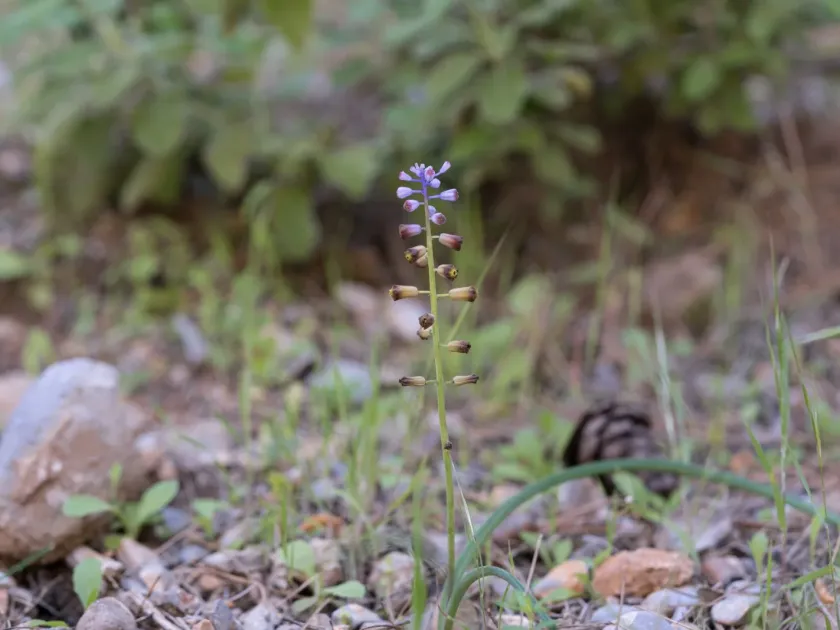
Description
Sowing dates
Planting Muscari weissii bulbs is best performed during the autumn months when soil temperatures range between 10°C and 12°C. This timing allows the root system to establish itself before the deep freeze sets in, ensuring vigorous spring growth.
The bulbs should be buried at a depth of 5–8 cm, depending on the individual bulb size and soil texture. In lighter, sandier soils, a slightly deeper planting depth is recommended to protect the bulbs from sudden temperature shifts.
Spacing is a crucial factor for long-term health; planting bulbs 5–10 cm apart provides enough room for natural expansion through daughter bulb production. Overcrowding can lead to smaller flowers and nutrient competition over several years.
Before planting, ensure the site is well-drained. If the soil is heavy or clay-based, incorporating river sand or fine gravel into the planting hole will significantly improve aeration and prevent the waterlogging that often leads to bulb rot.
A light layer of mulch can be applied after planting to insulate the soil during the winter. This protection is especially beneficial in regions where frost heaving is a concern, as it maintains a more stable environment for the developing roots.
Growing requirements
Muscari weissii belongs to the Asparagaceae family and is native to the rocky landscapes of the Eastern Mediterranean, particularly the Aegean region. It is a perennial bulbous plant known for its compact stature and resilience in natural habitats.
This species thrives in full sun but can tolerate partial shade. While it adapts to various light conditions, maximum flowering performance is achieved in sites with at least six hours of direct sunlight, which stimulates optimal carbohydrate storage in the bulbs.
The ideal soil for this species is neutral to slightly alkaline, mimicking the limestone-rich soils of its native region. It performs exceptionally well in poor or rocky soil, provided the drainage is efficient, as it does not tolerate stagnant conditions.
Watering requirements follow the plant's natural cycle: active growth in spring necessitates moderate moisture, while the summer dormancy phase requires dry conditions. Excess moisture during the dormancy phase will almost certainly result in bulb decay.
Muscari weissii is highly adapted to wind and temperature fluctuations typical of its home environment. In garden settings, it is best suited for rock gardens, borders, or naturalized lawn displays where it can spread over time without excessive disturbance.
Main diseases and pests
Fungal pathogens such as Fusarium and Penicillium are the primary threats to Muscari weissii. These often manifest as rot at the base of the bulb, especially when the plant is grown in overly damp, poorly draining soil during its dormancy phase.
Viral infections, such as onion yellow dwarf virus, pose a significant risk and are primarily spread by aphids. Symptoms include mottled foliage and stunted growth, making sanitation and insect control critical parts of the management strategy.
Pests like onion flies and spider mites can cause direct mechanical damage to the leaves and bulbs. Routine monitoring and the application of integrated pest management (IPM) practices, including removing debris, help reduce the incidence of these infestations.
Soil-borne larvae, such as wireworms, can penetrate bulbs, creating entry points for secondary fungal infections. Pre-planting treatment of bulbs with fungicide and insecticide dips is a common professional practice to prevent these issues.
To minimize overall threats, avoid over-fertilizing with high-nitrogen fertilizers, which create succulent, soft tissue more susceptible to disease. Focus on balanced nutrients that promote cellular strength and winter hardiness instead.