
Texas nolina
Nolina texana
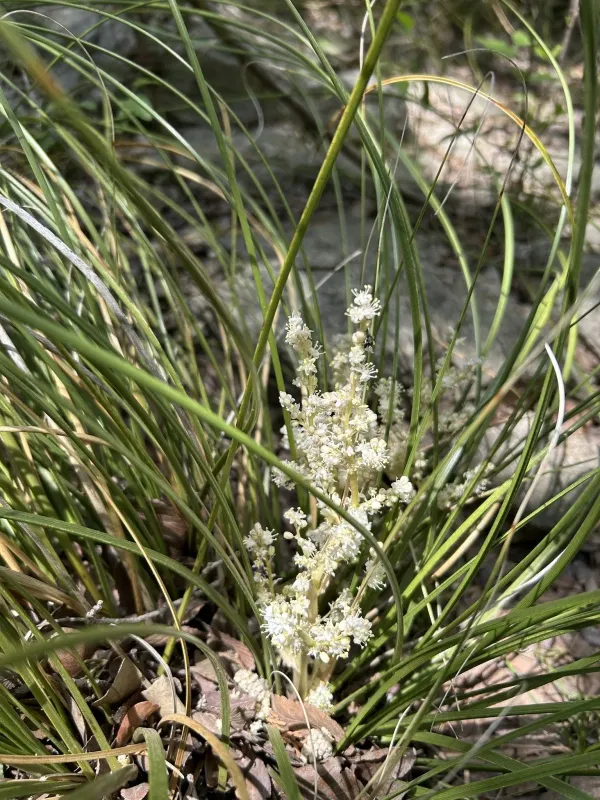
Description
Growing requirements
Texas nolina, scientifically classified as Nolina texana, is a perennial succulent species belonging to the Asparagaceae family. This plant is native to the dry prairies and rocky landscapes of Texas, New Mexico, and Northern Mexico, showcasing exceptional evolutionary adaptations to arid environments.
The plant is characterized by a dense, tufted base consisting of long, wiry, grass-like leaves. Unlike some other Nolina species, it typically lacks a prominent above-ground trunk, which serves to protect the plant's core from the intense solar radiation and drying winds of its habitat.
Cultivation requires full sun exposure to maintain the plant's structural integrity and health. Inadequate lighting will cause the leaves to become etiolated and lose their natural stiffness, significantly detracting from their aesthetic appeal in landscaping.
The primary agricultural requirement is a well-draining soil profile. Texas nolina thrives in sandy, gravelly, or rocky soil textures that prevent water stagnation. Adding coarse material to the planting site is essential for long-term survival in garden settings.
Economically, this species is highly valued in sustainable landscape design and xeriscaping. Its low-water requirement makes it an ideal candidate for water-wise landscaping projects, reducing the need for irrigation and maintenance in arid regions.
Main diseases and pests
The most significant threat to Texas nolina is root rot, triggered by overwatering or poorly drained substrates. Consistent moisture levels around the root zone invariably lead to decay, necessitating a strict adherence to dry-down periods.
Pests such as scale insects and spider mites can colonize the foliage during prolonged dry spells or in greenhouse environments. Early detection and application of appropriate horticultural oils or systemic insecticides are effective management strategies.
Fungal leaf spots may occur if the plants are situated in areas with high humidity or poor ventilation. Ensuring an open planting layout that facilitates air movement is critical for preventing the proliferation of airborne pathogens.
Mealybugs can be problematic as they find shelter in the dense leaf clusters at the crown of the plant. A mechanical cleaning or the use of targeted systemic treatments is recommended to address infestations without harming the plant.
Herbivory by small mammals is a common issue in naturalized landscapes, where rodents may target the succulent base. Installing physical barriers during the establishment phase is an effective practice for safeguarding young specimens.