
New Mexico yucca
Yucca neomexicana
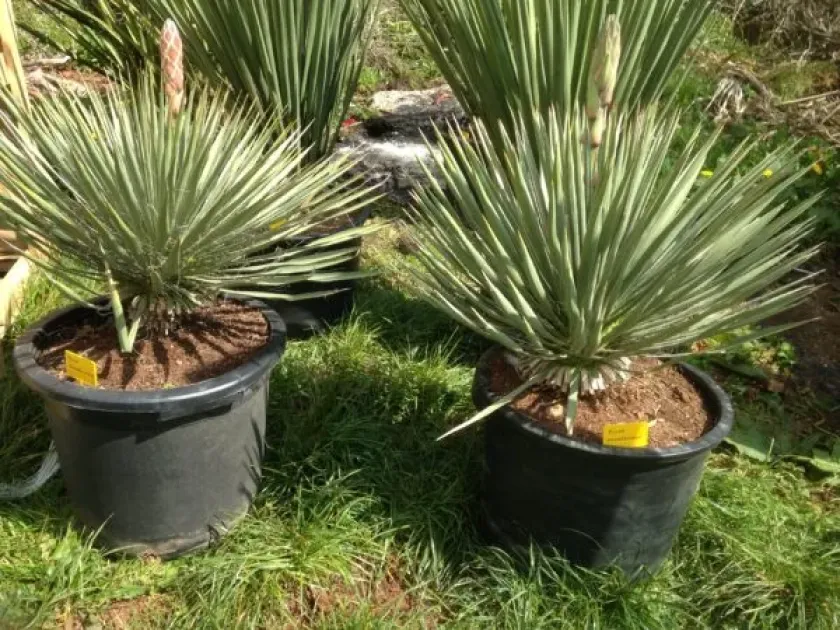
Description
Sowing dates
The propagation of Yucca neomexicana via seeds is best accomplished during the spring months when soil temperatures remain consistently above 18 degrees Celsius.
Seeds should be pre-treated with cold stratification for several weeks to break dormancy and ensure a uniform germination rate across the planting tray.
A well-aerated seed-starting mix, typically consisting of horticultural sand and perlite, is essential to allow for healthy root development during the initial growth phase.
After sowing, the trays should be kept in a bright location but shielded from direct, harsh sunlight until the young seedlings have established a firm root system.
Transplanting the seedlings to individual pots should be done carefully to avoid damaging the delicate taproot, which is common in many Yucca species.
Growing requirements
Yucca neomexicana is a member of the Asparagaceae family, natively adapted to the arid and rocky landscapes of the Southwestern United States.
This species demands full sun exposure, thriving in conditions where other plants might suffer from heat stress or lack of available groundwater.
Soil requirements are relatively modest, with a primary need for excellent drainage; heavy clay soils must be amended with gravel or sand to prevent root rot.
The plant is highly drought-tolerant once established, requiring only supplemental irrigation during prolonged dry spells or in the peak of the summer heat.
It prefers a slightly alkaline or neutral soil environment, reflecting the naturally mineral-rich, stony soils of its native habitat in New Mexico.
Main diseases and pests
Root rot is the most significant pathological threat to Yucca neomexicana, almost always resulting from improper irrigation practices or poor soil drainage.
Leaf spot diseases can manifest during humid seasons, necessitating the use of copper-based fungicides if the infection spreads across the foliage.
Pests such as spider mites and scale insects often infest the plants in controlled environments like greenhouses, where natural predators are absent.
Regular maintenance, including the removal of dead or decaying lower leaves, helps to reduce the habitat for pests and promotes better air circulation.
Chemical control should be applied sparingly, focusing on the specific areas of infestation while ensuring that the overall plant health is maintained through proper spacing.