
Ophiopogon
Ophiopogon
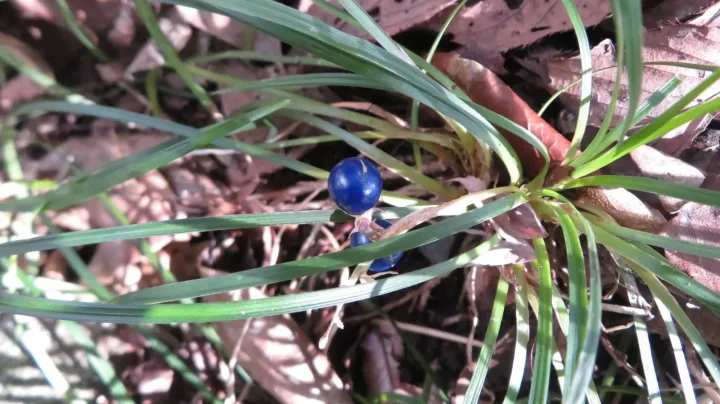
Description
Sowing dates
Ophiopogon is primarily propagated through division, which is the most reliable method to maintain the specific traits of the cultivar. This process is best performed in early spring as the plant begins its new growth cycle.
Seed propagation is also possible but is significantly slower due to the prolonged germination period and initial slow growth of the seedlings. Seeds should be sown immediately after collection into a light, moisture-retentive potting mix.
When planting, ensure adequate spacing between plants, typically ranging from 15 to 30 centimeters. This provides enough room for the plants to spread and ensures good air circulation to prevent foliage density issues.
Planting holes should be slightly wider than the root ball, allowing the roots to settle comfortably in the soil. A thorough watering immediately after planting is crucial to eliminate air pockets around the root system.
Incorporating organic compost or well-rotted manure during planting provides essential nutrients for initial development. Mulching the surrounding area helps retain soil moisture and prevents competition from weeds during the establishment phase.
Growing requirements
Ophiopogon belongs to the Asparagaceae family and is a versatile, evergreen perennial prized for its grass-like foliage. It is native to the temperate and subtropical regions of East Asia, thriving in diverse environments.
The plant prefers semi-shaded locations protected from intense, direct sunlight, which can scorch the leaves. However, in regions with high humidity, it can adapt to sunnier positions provided the soil moisture is kept constant.
Soil requirements focus on excellent drainage combined with high organic content. Ophiopogon performs best in fertile, loamy, or sandy soils with a neutral to slightly acidic pH, avoiding areas prone to waterlogging.
Climate tolerance varies by species, but most common varieties are reasonably cold-hardy in milder zones. In regions with severe winters, protective mulching or coverage is recommended to insulate the roots from deep freezing.
Regular irrigation is essential throughout the growing season, as the plant is susceptible to drought. Providing consistent moisture, especially during peak summer temperatures, is key to maintaining lush, healthy green foliage.
Main diseases and pests
Ophiopogon is generally a robust and pest-resistant plant when provided with proper growing conditions. However, poorly drained soil and excessive moisture often lead to root rot caused by fungal pathogens.
Slugs and snails are the most common pests, particularly during wet seasons, as they feed on the tender leaf tips. Implementing effective barrier controls or targeted slug baits helps to minimize damage to the foliage.
Spider mites may infest the plants in indoor conditions or greenhouses characterized by low humidity. Routine inspections and increasing ambient moisture levels help keep these populations under control.
Leaf chlorosis, characterized by yellowing foliage, may occur due to nutrient deficiencies or improper soil pH. Applying balanced, chelated fertilizers can resolve these issues and restore the plant's vibrant color.
Good cultural practices, such as removing dead leaves and ensuring adequate airflow, remain the best defense against diseases. Maintaining a clean garden bed effectively reduces the overall risk of infestation and infection.