
Pritchardia minor
Pritchardia minor
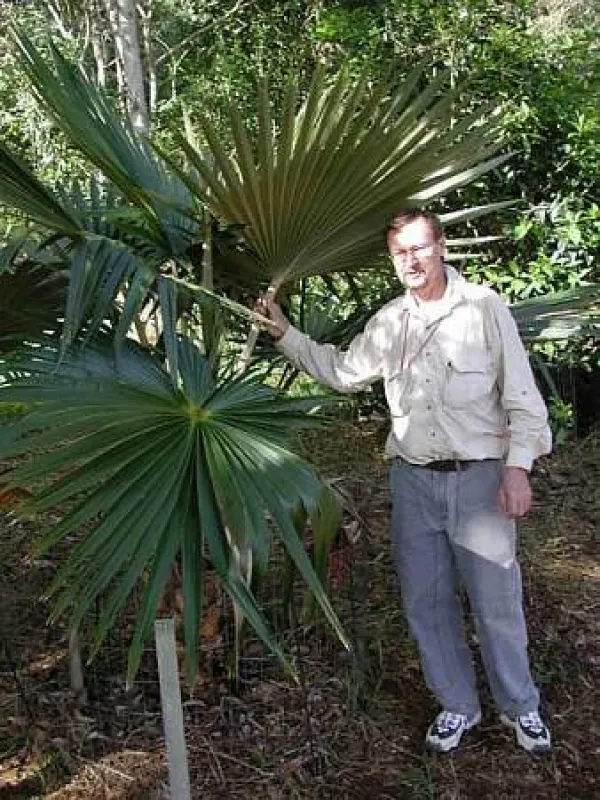
Description
Growing requirements
Pritchardia minor is a rare palm species belonging to the Arecaceae family. Endemic to the island of Kauai in Hawaii, it thrives in wet, high-altitude forest environments, making it a specialized plant for cultivation in controlled environments.
The plant is characterized by its distinct fan-shaped leaves and a slender, solitary trunk. Its growth habit is relatively compact, allowing it to adapt to small-scale cultivation compared to other large-growing palm species.
Optimal growth conditions for this species require high humidity and moderate tropical temperatures. It is sensitive to sudden temperature shifts and cold drafts, making it best suited for greenhouse conditions or conservatories.
The soil requirements focus on excellent drainage and aeration. A well-balanced mix of organic matter, perlite, and coconut fiber ensures the root system receives both moisture and oxygen, preventing waterlogging which is detrimental to the species.
Lighting should be bright but filtered to prevent leaf scorching. In professional cultivation, the use of shading screens during peak sunlight hours is recommended to maintain the deep green color and integrity of the foliage.
Main diseases and pests
Common pests affecting Pritchardia minor include spider mites, scale insects, and mealybugs. These pests thrive in dry conditions, underscoring the importance of maintaining high humidity as a primary preventive cultural practice.
Fungal pathogens, such as leaf spot and root rot, are significant threats caused by excessive soil moisture and poor air circulation. Implementation of preventive fungicide treatments is a standard practice in professional nurseries.
Nutrient deficiencies often manifest as chlorosis or necrosis on leaf tips. Providing a steady, slow-release fertilizer rich in essential micronutrients is vital for the long-term health and vigor of the palm.
Overwatering is the leading cause of plant mortality for this species. It is crucial to monitor soil moisture levels using tensiometers or manual checks before applying water to ensure the substrate is not excessively saturated.
Maintaining a clean growing environment by promptly removing decaying organic matter significantly reduces the risk of pest infestation and pathogen spread. Regular inspections are mandatory for early detection of potential outbreaks.