
Pritchardia lowreyana
Pritchardia lowreyana
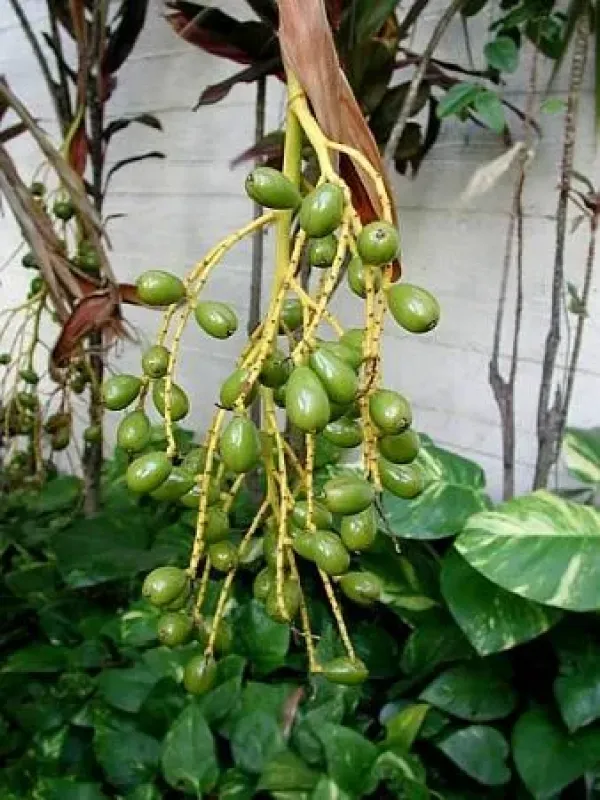
Description
Growing requirements
Pritchardia lowreyana is a stunning fan palm belonging to the Arecaceae family, native to the Hawaiian Islands. This species is highly valued for its large, rounded foliage and elegant, structural appearance in tropical landscapes.
As a tropical plant, it thrives in warm, humid climates with consistent temperatures. In temperate zones, it is cultivated primarily in greenhouses or conservatories, as it cannot withstand frost or cold winds which cause severe damage to the foliage.
The soil requirements include a well-draining, nutrient-rich potting medium. A mixture of peat, perlite, and bark is ideal for maintaining the necessary aeration for the root system while providing sufficient moisture retention.
Light requirements are significant for this palm. It performs best in bright, indirect sunlight. Direct exposure to intense afternoon sun, especially in hot environments, may lead to leaf scorch and dehydration of the delicate fan segments.
Watering frequency should be moderate, allowing the top layer of the substrate to dry slightly between sessions. Consistent soil moisture is critical, but the palm must never be allowed to sit in waterlogged soil, as this leads to fatal root rot.
Main diseases and pests
Spider mites are a primary pest concern for Pritchardia lowreyana when kept in indoor conditions. Maintaining high ambient humidity and regular misting are effective preventative measures against these pests.
Scale insects and mealybugs can also infest the palm, particularly in the leaf axils. Physical removal with alcohol-soaked cotton swabs or the application of horticultural oils is recommended for effective management of localized infestations.
Root rot is the most serious threat, caused by poor drainage or overwatering. Once established, it is difficult to reverse, emphasizing the importance of preventing water accumulation at the base of the container.
Fungal leaf spot can occur if there is poor air circulation and excessive humidity on the leaves. Promoting adequate ventilation around the plant is essential to reduce the risk of pathogen colonization on the foliage.
Nutrient deficiencies, specifically magnesium and potassium, can manifest as yellowing or browning of the leaves. Using a balanced, slow-release palm-specific fertilizer helps ensure the plant receives the essential micronutrients it needs.