
Pritchardia hillebrandii
Pritchardia hillebrandii
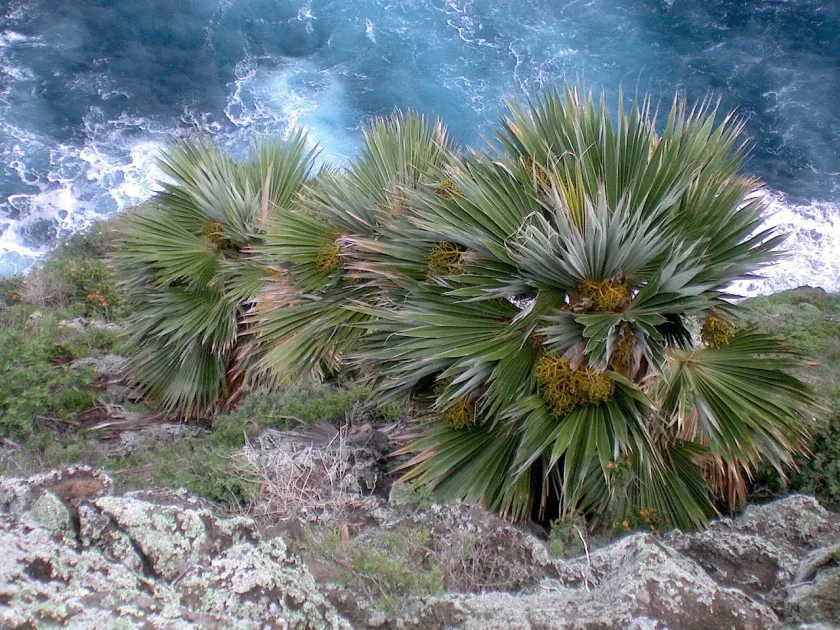
Description
Growing requirements
Pritchardia hillebrandii is a species of palm in the family Arecaceae, native to the Hawaiian Islands. It is highly prized in horticulture for its stunning silver-backed fan-shaped leaves and compact growth habit compared to other palms.
The plant thrives in bright, filtered light conditions. While it can tolerate some sun, it is essential to protect it from harsh direct rays during the midday hours, especially in greenhouse or indoor environments to prevent leaf scorch.
Cultivation requires a well-draining potting medium that remains moist but never waterlogged. Incorporating organic matter such as peat moss or coco coir ensures adequate aeration for the sensitive root system.
Temperature management is critical for this species; it prefers warm environments ranging from 20 to 25 degrees Celsius. It does not tolerate cold exposure and should be protected from any temperatures dropping below 15 degrees Celsius.
Regular fertilization during the active growing season with a balanced, slow-release fertilizer ensures vibrant growth. Maintaining high ambient humidity through regular misting is also essential for optimal leaf health.
Main diseases and pests
Common pests affecting Pritchardia hillebrandii include spider mites, scale insects, and mealybugs. These pests typically thrive in environments with low humidity and poor air circulation.
Root rot, caused by overwatering or poorly draining soil, remains the most significant threat to the overall health of the palm. It often manifests as yellowing fronds followed by wilting.
Effective pest management involves regular leaf inspection and the application of neem oil or horticultural soaps to eliminate infestations at their initial stage.
To prevent fungal diseases, it is important to avoid getting water directly into the crown of the palm, which can lead to crown rot and permanent structural damage.
Maintaining a clean growing environment and ensuring proper spacing between plants helps significantly in reducing the risk of viral and fungal pathogen outbreaks.