
Thurston's palm
Pritchardia thurstonii
Description
Growing requirements
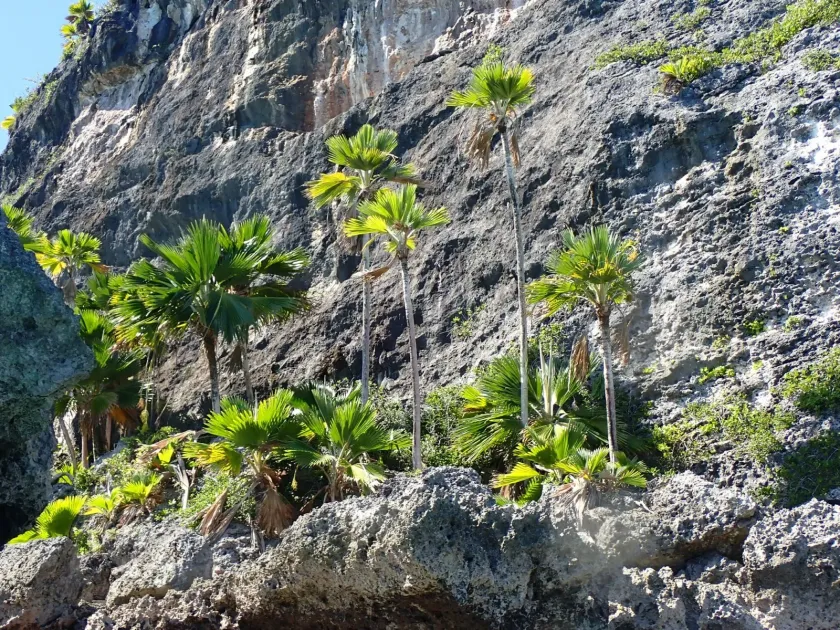
Thurston's palm (Pritchardia thurstonii) is a member of the Arecaceae family. This species is native to the Fiji Islands, where it thrives in warm, humid tropical environments.
This palm requires bright, indirect light to maintain its vibrant green foliage. It is sensitive to intense, direct afternoon sun, which can scorch the leaves if not properly acclimated.
The ideal soil for this palm must be well-draining, rich in organic matter, and slightly acidic to neutral in pH. A loose, aerated structure is essential to prevent root asphyxiation.
Temperature management is critical: the plant should be kept in a stable environment between 20 and 28 degrees Celsius, avoiding exposure to cold drafts or freezing temperatures.
In landscaping, it is highly valued for its elegant, arching fronds and unique inflorescences, making it a staple for tropical garden designs and large greenhouse displays.
Main diseases and pests
Common pests include spider mites, scale insects, and mealybugs, which thrive in stagnant, low-humidity environments often found indoors.
Root rot, caused by overwatering and poor drainage, is the most common physiological threat to this palm species, leading to rapid decline if unchecked.
Fungal leaf spots can occur when air circulation is poor, allowing moisture to remain on the foliage for extended periods during cooler hours.
Integrated pest management, including regular foliage cleaning and the use of insecticidal soaps, is highly effective for maintaining a healthy plant.
Balanced fertilization throughout the growing season helps the plant develop natural resistance to stress and minor infestations, ensuring steady and healthy growth.