
Rattan
Calamus L.
Description
Sowing dates
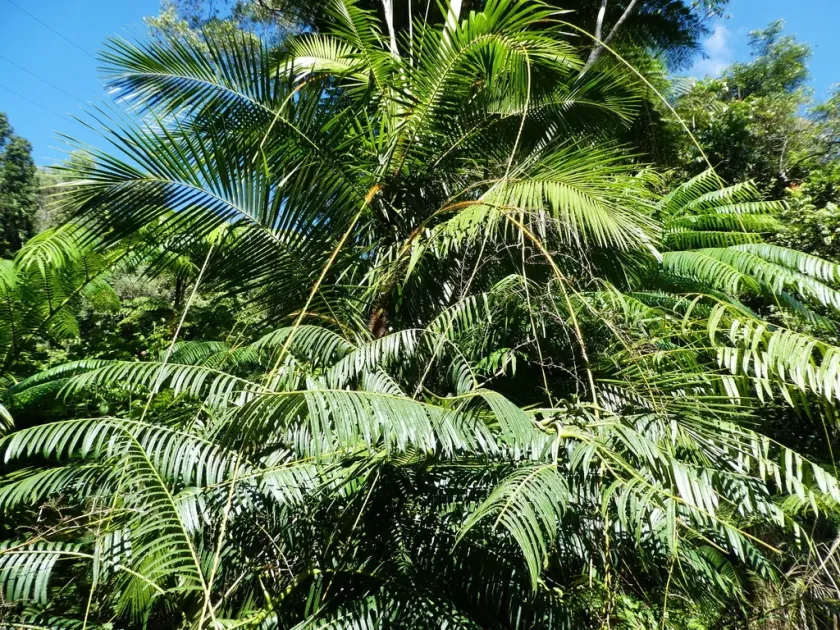
Rattan (Calamus L.) is a genus of climbing palms in the Arecaceae family, characterized by long, slender, and flexible stems that grow in tropical rainforests.
The cultivation process begins with seed selection, where mature fruits are harvested, depulped, and cleaned to ensure high germination rates before planting.
Seeds are sown in prepared nursery beds, requiring high moisture levels and warm, consistent temperatures between 28 and 32 degrees Celsius to trigger growth.
After the initial nursery phase of several months, seedlings are carefully transplanted into field sites, often using existing forest structures as natural supports.
Optimal timing for planting is usually at the onset of the rainy season, which provides the necessary water supply for the young palms to establish their root systems.
Growing requirements
Rattan thrives in humid tropical environments, requiring consistent annual rainfall and temperatures that never fall below 20 degrees Celsius.
The soil should be deep, well-drained, and rich in organic matter, although the plant shows a remarkable tolerance for various tropical soil types if moisture is sufficient.
Light management is crucial; while adult plants can tolerate some sun, young rattan palms require significant shade to prevent leaf scorching and excessive dehydration.
Air humidity levels should remain above 75-80 percent, which is why rattan plantations are often established within or near protected forest areas.
Adequate space is needed for the plant to climb, as it relies on structural trees or artificial trellis systems to reach the height necessary for full development.
Yield
Rattan is one of the most economically important non-timber forest products, valued globally for its durable, flexible, and lightweight stems.
A typical plantation can be harvested after 7 to 15 years, depending on the species and the specific industrial requirements for stem diameter and length.
Yield is determined by the number of high-quality canes harvested, which are used extensively in high-end furniture manufacturing and complex handicraft production.
The sustainable management of rattan plantations contributes to forest conservation, as it provides local communities with income without the need for clear-cutting.
Beyond furniture, the inner core of the rattan stem is used for weaving mats and baskets, while the outer skin is often peeled for fine decorative work.
Main diseases and pests
Fungal pathogens are the primary threat, especially in poorly ventilated plantations where excessive moisture leads to stem decay and root rot issues.
Boring insects, such as the powderpost beetle, can infest stored or harvested canes, creating tunnels that destroy the structural integrity of the material.
Preventative measures include maintaining proper plantation density and immediate post-harvest treatment of canes with hot oils or chemical preservatives.
Wildlife encroachment, particularly by rodents that feed on young succulent shoots, can result in significant loss of younger plants within a plantation site.
Climate change poses a risk to rattan yields by altering rainfall patterns, which affects the growth rate and the timing of the harvesting cycles.
Harvesting
Harvesting rattan is a specialized task involving the manual extraction of long stems from forest canopies, requiring skill to avoid damaging the palm crown.
Workers use sharpened tools to cut the base of the stem, carefully guiding it down to avoid snapping the material, which would render it useless for furniture.
Immediately after cutting, the canes are cleaned of their spiny leaf sheaths and often boiled in oil to protect them from insects and enhance their flexibility.
The harvested stems are graded according to diameter, color, and lack of defects, which is a critical step in determining the market price and end-use.
Sustainable harvesting practices ensure that the rootstock remains intact, allowing for multiple subsequent harvests over the life of the individual rattan plant.