
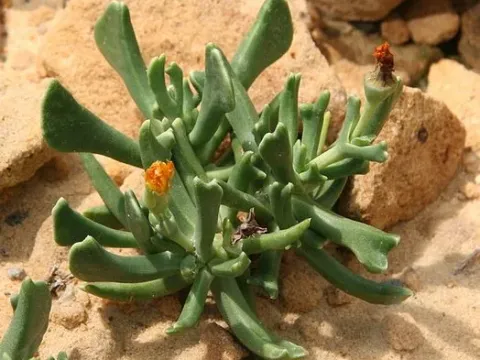
Rhombophyllum
Rhombophyllum
Rhombophyllum is a genus of succulent plants within the Aizoaceae family, native to the arid landscapes of South Africa. These plants have evolved to store water in their specialized, triangular-shaped leaves to survive extended drought periods.
What the section contains


Rhombophyllum
Successful cultivation requires high light intensity. These plants thrive in direct sunlight for several hours a day, which is essential for maintaining their characteristic growth form and preventing etiolation.
The growing medium must be highly porous and well-draining. A typical succulent mix consisting of volcanic rock, coarse sand, and a minimal amount of organic substrate ensures the roots do not sit in stagnant moisture.
Rhombophyllum prefers warm growing seasons with temperatures ranging from 22°C to 28°C. During the dormant winter season, cooler temperatures between 10°C and 15°C help initiate the plant's natural flowering cycle.
Watering practices are critical for the health of the plant. During the active growing period, watering should be done only when the soil has dried out completely. In winter, the plant should be kept almost entirely dry.
Root rot is the most significant threat to Rhombophyllum, usually caused by overwatering or poor drainage. The succulent tissues can collapse rapidly if the substrate remains saturated for too long.
Mealybugs are common pests that infest the leaf axils and stems. They appear as small white, cottony masses and should be treated immediately with horticultural alcohol or appropriate systemic insecticides.
Spider mites may attack the plant if the environment is kept too hot and dry for prolonged periods. Regular inspection of the leaves helps detect these pests before they cause widespread damage.
Fungal infections, such as Botrytis, can occur if there is insufficient air circulation combined with high humidity. Ensuring proper spacing between plants helps mitigate this risk significantly.
Insects like scale may also pose a problem, attaching themselves to the leaves and draining nutrients. These are best managed by manual removal followed by the application of organic soap-based treatments.