
Rhombophyllum nelii
Rhombophyllum nelii
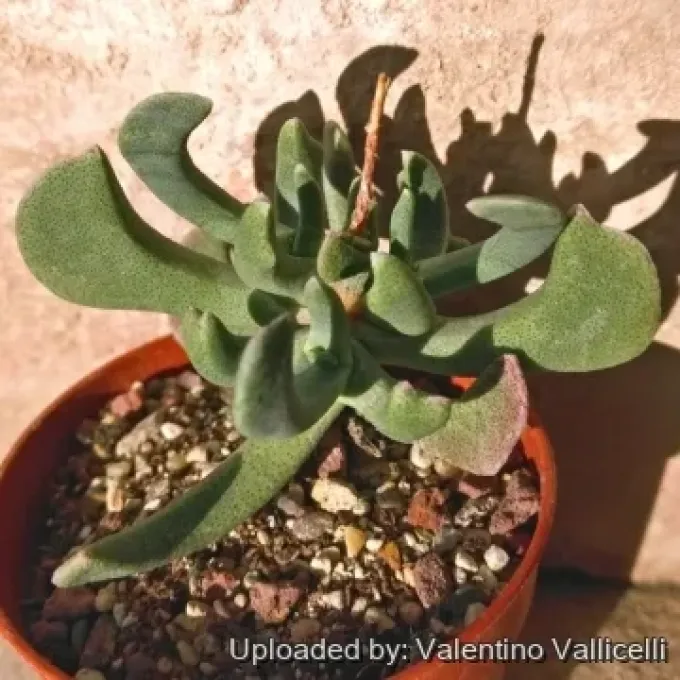
Description
Growing requirements
Rhombophyllum nelii is a distinctive succulent belonging to the Aizoaceae family. Originating from the arid regions of South Africa, it has evolved to thrive in environments characterized by long periods of drought and high solar radiation.
The plant features succulent leaves arranged in rosettes, designed for efficient water storage. Its unique morphology allows it to minimize water loss through transpiration, a key evolutionary advantage in its native habitat.
When cultivating this species, it is essential to provide a well-draining mineral-based substrate. A mixture of pumice, coarse sand, and a small amount of organic potting soil is ideal for maintaining the necessary root aeration.
Light requirements are high. The plant performs best in direct sunlight or very bright indirect light. If grown indoors, it should be placed in the brightest window available to ensure healthy growth and flowering.
The watering regime is the most critical aspect of its agrotechnology. Practitioners should allow the substrate to dry out completely between waterings, as the roots are highly sensitive to prolonged saturation.
Main diseases and pests
Root rot is the most common physiological challenge in Rhombophyllum nelii cultivation. It is almost always a result of poor soil drainage or over-irrigation during the plant's dormant winter season.
Mealybugs are the primary pest concern for this species. These insects often hide in the crevices between the succulent leaves, sucking plant sap and weakening the overall structure of the rosette.
Spider mites can also become a problem in environments with low humidity. Infestations lead to scarring on the leaf surface, which reduces both the ornamental value and the photosynthetic capacity of the plant.
To prevent these threats, it is necessary to maintain clean growing conditions. Regular monitoring for early signs of pests is essential for implementing non-invasive control methods before chemicals are required.
In addition to pests, improper temperature control can lead to physiological stress. Protecting the plant from cold drafts while ensuring adequate airflow is vital for long-term health and vitality.