
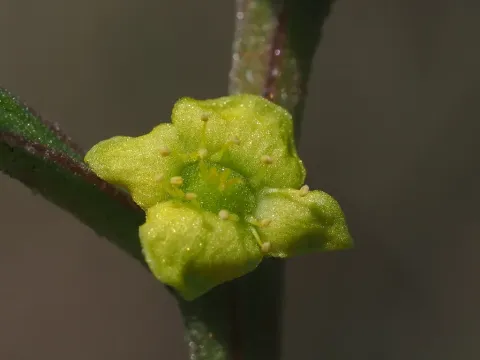
Tetragonia
Tetragonia
Tetragonia, widely known as New Zealand spinach, belongs to the Aizoaceae family. It is a warm-season crop that thrives when planted after the threat of frost has completely passed.
What the section contains

Tetragonia
The seeds are relatively hard-shelled and require soaking in warm water for about 24 hours before planting to soften the outer coating and improve germination rates significantly.
Direct sowing in the garden is ideal once the soil temperature consistently reaches 15 degrees Celsius. In cooler regions, starting seeds indoors in pots 4–6 weeks before the last frost is recommended.
Space the plants approximately 50–60 cm apart, as the vines of the Tetragonia plant spread rapidly once they become established in the warm summer soil.
Plant the seeds about 2–3 cm deep in loose, well-draining soil to ensure that the emerging seedlings can easily penetrate the surface without resistance.
New Zealand spinach performs best in full sun, though it is one of the few leafy greens that can tolerate partial shade in regions with extremely intense summer heat.
The plant is not overly fussy about soil type but prefers sandy or loamy, nutrient-rich soil that holds some moisture while maintaining excellent drainage characteristics.
Regular irrigation is vital. While the plant is drought-tolerant once mature, consistent water supply is necessary to keep the leaves tender and prevent them from turning bitter.
Organic matter such as compost or well-rotted manure should be incorporated into the soil during preparation to provide the necessary nitrogen for vigorous leaf growth.
Optimal growth occurs at temperatures between 20 and 25 degrees Celsius. Growth slows significantly if the temperature drops, making it unsuitable for early spring planting in colder climates.
Tetragonia is exceptionally productive throughout the summer, often continuing to provide fresh greens long after traditional spinach has bolted and become inedible.
By regularly harvesting the tips of the stems, gardeners encourage the plant to produce multiple side shoots, thereby extending the harvest season until the first frost.
A single well-tended plant can yield a substantial amount of foliage, making it a highly efficient choice for small-scale kitchen gardens or limited garden spaces.
The leaves are rich in vitamins, particularly vitamin C, and possess a mild flavor profile that is very similar to common spinach, making them suitable for various culinary uses.
Its ability to remain productive during the peak of summer, when most other leafy greens fail, makes it an invaluable vegetable for summer nutrition.
Slugs and snails are the primary pests that can cause significant damage to young Tetragonia plants, often consuming the tender foliage during damp periods.
Aphids may occasionally appear on the growing tips during hot, dry weather, but these can usually be managed with gentle water sprays or organic horticultural soap.
Leaf spot or root rot can occur if the soil remains waterlogged or if the planting site lacks sufficient air circulation to dry out the leaves after heavy rains.
To minimize pest and disease pressure, avoid overcrowding the plants and ensure that the surrounding soil is kept clear of weeds to improve airflow around the stems.
Regular monitoring of the underside of the leaves and the growing tips allows for early detection and intervention before a minor infestation becomes a significant problem.
Harvesting usually begins about 40–50 days after sowing. The best way to harvest is to snip off the terminal 10–15 cm of the shoots, which includes the youngest, most tender leaves.
Avoid removing too much of the plant at once to ensure that it retains enough energy to continue developing new shoots for subsequent harvests throughout the season.
The leaves should be used shortly after harvesting, as they do not have a long shelf life and tend to wilt quickly if not stored in a cool, humid environment.
As autumn approaches, conduct a final large harvest before the first frost, as Tetragonia is highly sensitive to freezing temperatures and will die once the frost hits.
The culinary versatility of the harvested greens allows them to be used fresh in salads, lightly steamed, or sautéed, offering a nutritious addition to any meal.