
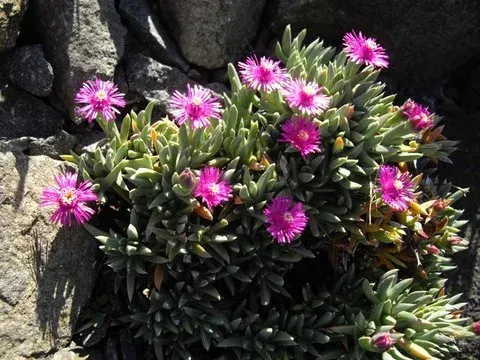
Ruschia
Ruschia
Ruschia is a genus of succulent plants within the Aizoaceae family, native to the arid regions of Southern Africa. These plants have evolved to thrive in harsh environments, characterized by high temperatures and nutrient-poor, rocky substrates.
What the section contains


Ruschia
The botanical structure of Ruschia is defined by its compact, succulent leaves that store significant moisture, allowing the plant to remain hydrated during long periods of drought. The foliage often features unique textures and shapes, ranging from low-growing mats to small shrub-like forms.
Cultivating Ruschia requires full sun exposure and a well-draining soil mix. Incorporating horticultural grit, perlite, or coarse sand is essential to prevent water accumulation, which is the primary cause of root failure in this genus.
Regarding climate, Ruschia performs best in warm, sunny locations with low air humidity. While some species show moderate cold tolerance, most require protection from freezing temperatures and excessive winter moisture to survive and maintain their aesthetic value.
Commercially and in landscape architecture, Ruschia is highly valued for xeriscaping and rock gardens. Its ability to tolerate dry soil and direct sunlight makes it an excellent candidate for sustainable gardening projects in arid and semi-arid zones.
The most significant threat to Ruschia is root rot, which typically develops due to poor drainage or overwatering. Once pathogens colonize the root zone in waterlogged soil, the plant often decays rapidly, making early detection and intervention critical.
Mealybugs are the most common pest associated with this genus, frequently nesting in the tight crevices between leaves. They feed on plant sap, leading to stunted growth, leaf discoloration, and increased susceptibility to secondary infections.
To manage pests, growers should maintain adequate spacing between plants to ensure good airflow. If an infestation occurs, application of appropriate systemic insecticides or manual removal with alcohol-dipped swabs can be effective for smaller collections.
Spider mites may also pose a threat during hot, dry spells if air circulation is insufficient. Monitoring for fine webbing on leaf tips and regular misting (if done during early hours) or targeted miticide treatment can prevent significant damage.
Effective disease prevention relies on the "soak-and-dry" irrigation method, ensuring the soil is completely dry before applying more water. Maintaining clean growing conditions and inspecting new plants for signs of pests is essential for long-term health.