
Tanquana
Tanquana
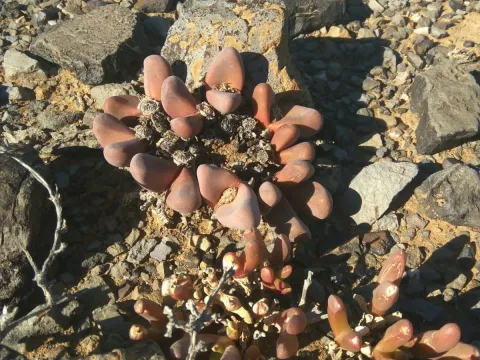
Tanquana is a genus of small, slow-growing succulent plants belonging to the Aizoaceae family. These plants are native to the arid areas of South Africa, where they have evolved to survive in extreme desert conditions with minimal rainfall.
What the section contains

Tanquana
Botanically, Tanquana features compact, fleshy, and paired leaves that create a distinct, stone-like appearance. This mimicry helps the plant avoid grazing animals in its natural desert habitat, where water is a precious resource.
Regarding soil requirements, Tanquana demands an exceptionally well-draining substrate. A mix of coarse sand, perlite, and fine gravel is essential to prevent water stagnation, which is the primary cause of plant loss in cultivation.
Climate needs involve high light intensity and low humidity. During the growing season, the plant requires plenty of sunlight to maintain its natural, compact shape. During winter, it enters a dormant phase and must be kept completely dry and cool.
Agricultural techniques for Tanquana focus on controlled watering. It is critical to provide water only when the substrate is completely dry and the temperature is warm enough to ensure evaporation. Overwatering is the most common mistake made by amateur collectors.
The main threats to Tanquana are fungal pathogens caused by excessive moisture. Root rot is a common issue that can destroy the entire plant system within a few days if the substrate remains waterlogged.
Mealybugs are the most frequent pests associated with this genus. These insects hide in the crevices between the succulent leaves, and their removal requires careful application of systemic insecticides or isopropyl alcohol.
Poor ventilation can lead to the development of mold on the plant surface, especially if humidity levels are high. Maintaining good airflow in the greenhouse or growing area is essential for plant health.
Sunburn is a risk if the plant is moved from a low-light environment to direct sunlight too quickly. Gradual acclimation is necessary to allow the plant to produce protective pigments in its epidermis.
Root nematodes can cause slow decline in plant vigor. To mitigate this risk, it is important to use sterile potting media and avoid reusing old soil from other succulent collections.