
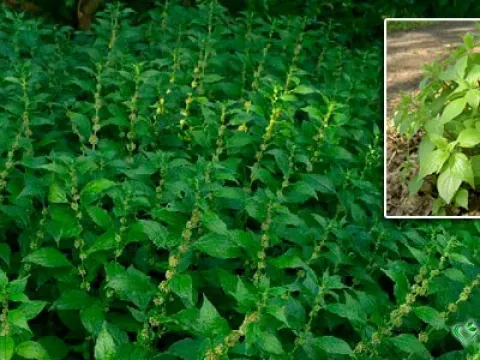
Pellitory
Parietaria
Pellitory, scientifically known as Parietaria, is a genus of perennial plants belonging to the Urticaceae (nettle) family. Unlike most of its relatives, Pellitory lacks stinging hairs, making it a unique and manageable plant species for various applications.
What the section contains
 Cretan pellitory
Parietaria cretica
Cretan pellitory
Parietaria cretica
 Florida pellitory
Parietaria floridana
Florida pellitory
Parietaria floridana
 Parietaria alsinifolia
Parietaria alsinifolia
Parietaria alsinifolia
 Parietaria debilis
Parietaria debilis
Parietaria debilis
 Parietaria judaica
Parietaria judaica
Parietaria judaica
 Parietaria lusitanica
Parietaria lusitanica
Parietaria lusitanica
 Parietaria mauretanica
Parietaria nummularia
Parietaria nummularia
Parietaria mauretanica
Parietaria mauretanica
Parietaria nummularia
Parietaria nummularia
 Pellitory-of-the-wall
Parietaria officinalis
Pellitory-of-the-wall
Parietaria officinalis
 Pennsylvania pellitory
Parietaria pensylvanica
Pennsylvania pellitory
Parietaria pensylvanica
 Serbian pellitory
Parietaria serbica
Serbian pellitory
Parietaria serbica
Pellitory
Originating primarily from temperate and subtropical zones, the plant is naturally distributed across Europe, North Africa, and the Middle East. It typically thrives in sheltered locations such as rock crevices, stone walls, and shaded hillsides, reflecting its preference for stable, mineral-rich environments.
Successful cultivation requires soil that is rich in organic matter, well-draining, and consistently moist. It prefers partially shaded environments, as direct, harsh sunlight can lead to leaf scorching and premature cessation of growth in most Parietaria species.
The agronomic management of this crop involves maintaining soil fertility through light compost application and ensuring proper spacing to allow for airflow. As the plant can be sensitive to root competition, systematic weeding is essential during the early stages of plant development to ensure high yield.
Commercially, the plant is primarily harvested for the pharmaceutical industry due to its diuretic, anti-inflammatory, and emollient properties. It is harvested for its leaves and stems, which are processed into extracts and tinctures used in phytotherapeutic medicine.
The primary threats to Parietaria health include fungal infections such as powdery mildew and damping-off disease, particularly in overly humid conditions. Ensuring good ventilation and avoiding overhead irrigation can significantly reduce the incidence of these pathogens.
Insect pests including aphids and spider mites can infest the crop, especially in sheltered greenhouses or dry outdoor conditions. Integrated pest management strategies, such as the introduction of beneficial insects or the application of soap-based sprays, are recommended for maintaining plant health.