
Serbian pellitory
Parietaria serbica
Description
Growing requirements
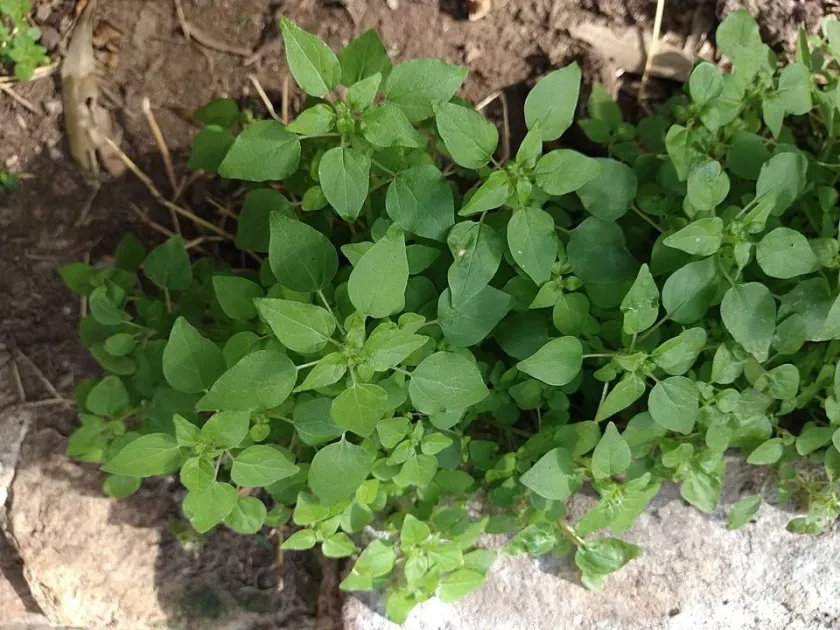
Serbian pellitory (Parietaria serbica) is a herbaceous perennial plant belonging to the Urticaceae family. It is a specialized species adapted to harsh environmental conditions, commonly found in mountainous regions within the Balkan Peninsula.
The plant originates from rocky habitats and limestone crevices, which dictates its high tolerance to drought and nutrient-poor soils. It is particularly valued in botanical studies for its unique evolutionary adaptations to localized climate patterns.
In terms of agricultural requirements, Parietaria serbica thrives in well-drained, alkaline, or calcareous soil profiles. Proper aeration of the root zone is critical to prevent moisture-related stress, which is often the primary cause of failure in organized cultivation.
Its botanical structure includes resilient foliage capable of surviving intense solar radiation and minimal irrigation. The plant exhibits a slow growth rate initially, establishing a robust underground system before developing significant aerial biomass.
Economically, this species is gaining attention as a potential resource for specialized herbal industries. Ongoing agricultural research focuses on standardizing the harvesting cycles to maximize the yield of essential phytochemical compounds found within the plant tissue.