
Parietaria lusitanica
Parietaria lusitanica
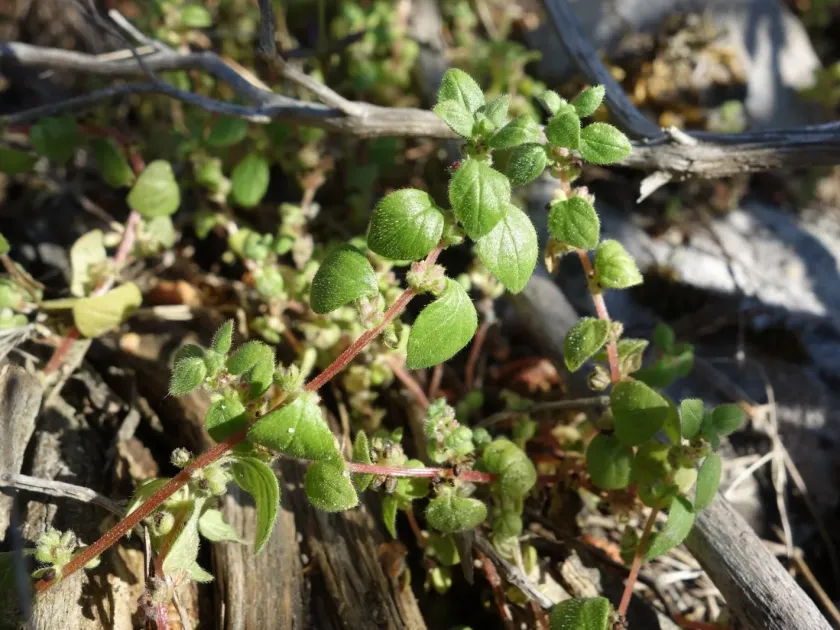
Description
Sowing dates
Parietaria lusitanica is an annual herbaceous plant belonging to the Urticaceae family. It is not cultivated as a primary agricultural crop, and its presence in agricultural landscapes is typically spontaneous, appearing as part of the local flora.
The plant regenerates through seeds, which germinate effectively under conditions of mild moisture and moderate spring temperatures. Once established, the population can persist in a specific area due to its ability to produce viable seeds in various soil types.
The life cycle of the species is relatively short, allowing it to complete its growth phase before the onset of summer drought or intensive heat. This developmental strategy is characteristic of ruderal species that thrive in temporary open habitats.
There are no standardized sowing or planting practices for this species, as it is not intended for human or animal consumption in an agricultural context. Its emergence is usually regulated by natural environmental factors rather than human intervention.
Seed bank survival is a key survival mechanism for the plant, ensuring that it can reappear in favorable patches of land after several dormant cycles. The plant generally colonizes areas that have been disturbed, utilizing early seasonal growth to secure space.
Growing requirements
The species prefers shady or semi-shaded environments with consistent access to moisture. It is frequently observed growing in rock crevices, shaded field margins, and other micro-habitats that offer protection from direct sunlight and excessive wind.
Soil requirements involve well-drained, porous structures that allow for healthy root development without waterlogging. Neutral to slightly alkaline pH levels are generally preferred, which is typical for many members of the Parietaria genus.
Climate adaptability for this plant is limited to temperate regions where rainfall is well-distributed during the growing season. High humidity and stable temperatures are beneficial, whereas extreme heat can cause rapid wilting and premature senescence.
It is not a competitive species compared to larger, more robust agricultural crops. Therefore, in managed fields, it rarely achieves dominance unless there are specific gaps or lapses in maintenance practices such as weeding or soil preparation.
Agricultural management of sites where this plant is present should prioritize good soil drainage and the prevention of crusting. Maintaining the optimal physical condition of the topsoil is essential to discourage the unwanted spread of this ruderal plant.
Main diseases and pests
Common threats to Parietaria lusitanica include fungal pathogens that thrive in damp, stagnant air conditions. Powdery mildew is the most frequent disease, manifesting as a white, powdery layer on the surface of leaves and stems.
Pests such as aphids often target the tender young shoots, extracting sap and weakening the plant's structural integrity. While usually not fatal, significant aphid colonization can restrict growth and reduce the overall fitness of the population.
Soil-borne nematodes can pose a risk to the root system, particularly in areas where the plant persists for consecutive seasons without crop rotation. Root damage can lead to impaired nutrient uptake and increased vulnerability to secondary infections.
Integrated pest management strategies focusing on early detection and maintenance of optimal habitat conditions are the most effective ways to manage the health of these plant populations. Preventive measures generally avoid the need for intensive chemical interventions.
- Infestation by aphids on apical shoots.
- Powdery mildew development in high-humidity microclimates.
- Root-knot nematode impact on subterranean tissues.