
Parietaria mauretanica
Parietaria mauretanica
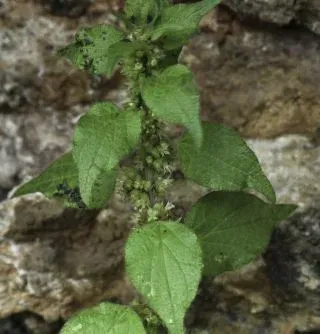
Description
Sowing dates
Parietaria mauretanica, a member of the Urticaceae family, is an herbaceous plant that requires specific preparation for successful cultivation as an agricultural crop.
The optimal sowing period occurs in the spring when soil temperatures stabilize between 10 and 12 degrees Celsius, facilitating steady germination.
Seeds should be sown at a shallow depth of 1-2 centimeters, ensuring they are not buried too deep to prevent inhibition of the light-dependent germination process.
Row spacing is typically set at 25-30 centimeters to allow for proper airflow and to simplify mechanical weed control during the early growth stages.
Pre-sowing seed treatment, such as soaking in water for up to 24 hours, is recommended to break dormancy and ensure a high percentage of seedling emergence.
Growing requirements
Parietaria mauretanica thrives in Mediterranean climates characterized by mild, wet winters and warm, dry summer seasons.
The crop prefers well-drained, porous soils with a neutral to slightly alkaline pH, making it highly adaptable to rocky or stony terrains.
Its robust root system allows it to withstand extended drought conditions, making it a resilient plant in semi-arid agricultural environments.
Full solar exposure is essential for optimizing the plant's metabolic processes and increasing the accumulation of secondary metabolites in the foliage.
While the plant is hardy, it requires consistent monitoring of soil moisture levels to prevent the stress associated with waterlogged environments.
Main diseases and pests
The plant is generally resistant to pests; however, powdery mildew can become a significant issue during periods of high humidity and poor ventilation.
Root rot is the most serious threat, occurring almost exclusively when the soil remains saturated for prolonged periods of time.
Aphid infestations are the most common pest challenge, typically appearing on the tender shoots during the spring growth flush.
Spider mites may affect the crop in extremely hot and dry conditions, causing the foliage to yellow and prematurely wither.
Maintaining proper field sanitation and avoiding overcrowding the rows are the primary defensive strategies against these biological threats.
Harvesting
The harvesting stage is initiated during peak flowering, which marks the highest concentration of active compounds within the plant's tissues.
The aerial parts are harvested by cutting the stems, leaving a stubble of at least 5-10 centimeters to encourage rapid secondary regrowth.
Speed is critical during harvest to prevent degradation; the biomass must be transferred to drying facilities immediately after cutting.
Controlled drying is achieved by spreading the plant material in thin layers in shaded, ventilated areas to maintain its essential quality.
Once dried, the product is processed and stored in cool, dry conditions to preserve its phytochemical profile for commercial or industrial use.